

Advancing India’s
National Security and Defence
Advancing India’s
National Security and Defence
India’s defence exports, strategic maritime presence, and indigenous production are reaching new heights, reshaping national security and global influence.
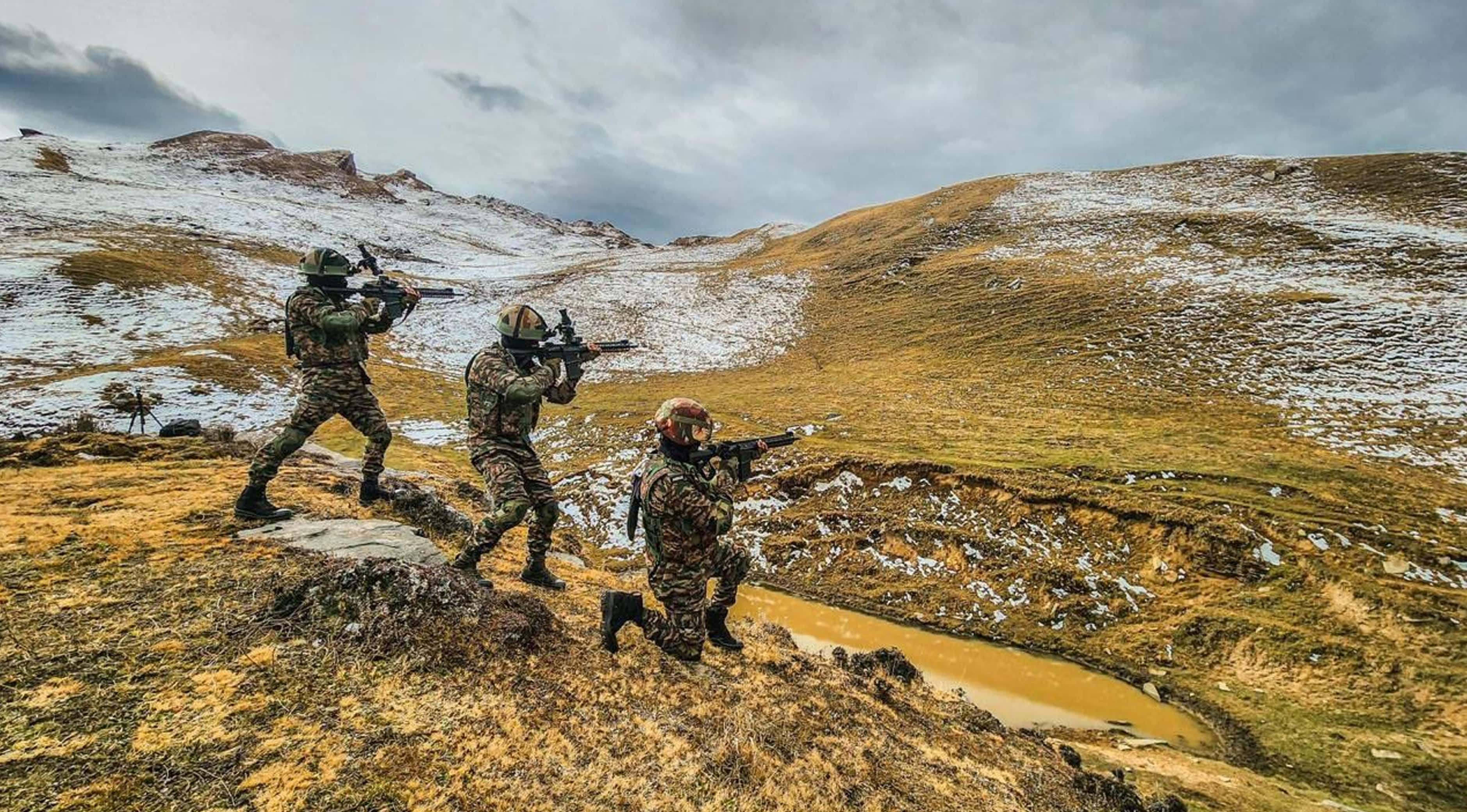
The New Doctrine: From Restraint to Enforceable Deterrence
For many years, India’s response to terrorism remained diplomatic, while citizens continued to suffer with their lives and property. Even after major attacks, the focus remained on international pressure, official statements, and engagement through global forums. Since 2014, India’s approach has changed. Military response and deterrence have become part of the country’s security framework after major terror attacks. Operation Sindoor reflects this shift in South Asia’s security environment. Restraint is now being understood through controlled and deliberate action. The objective is to impose costs on cross-border terrorism without allowing escalation to widen into a larger conflict.
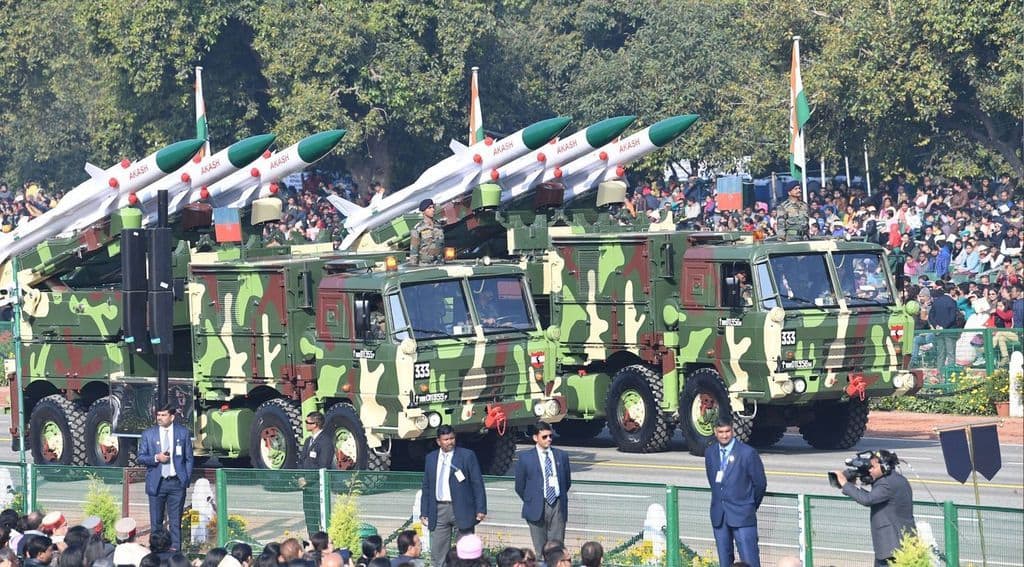
India’s Defence Modernisation Under Modi
Defence modernisation in India since 2014 is not just about upgrading military hardware; it is a structural shift in how the nation builds, equips, and prepares its armed forces. From reducing import dependence to strengthening indigenous production, strategic infrastructure, and future-ready technologies, India’s defence ecosystem under the leadership of Prime Minister Narendra Modi has moved towards long-term capability building. This transformation has linked national security directly with India’s industrial growth, technological development, and strategic autonomy.

The Security Foundations of Viksit Bharat
Security is the basic foundation on which national development is built. For India, progress cannot be separated from stability across its borders, internal regions, and emerging domains like cyber and maritime space. A secure India, therefore, is the first condition for a developed Viksit Bharat.
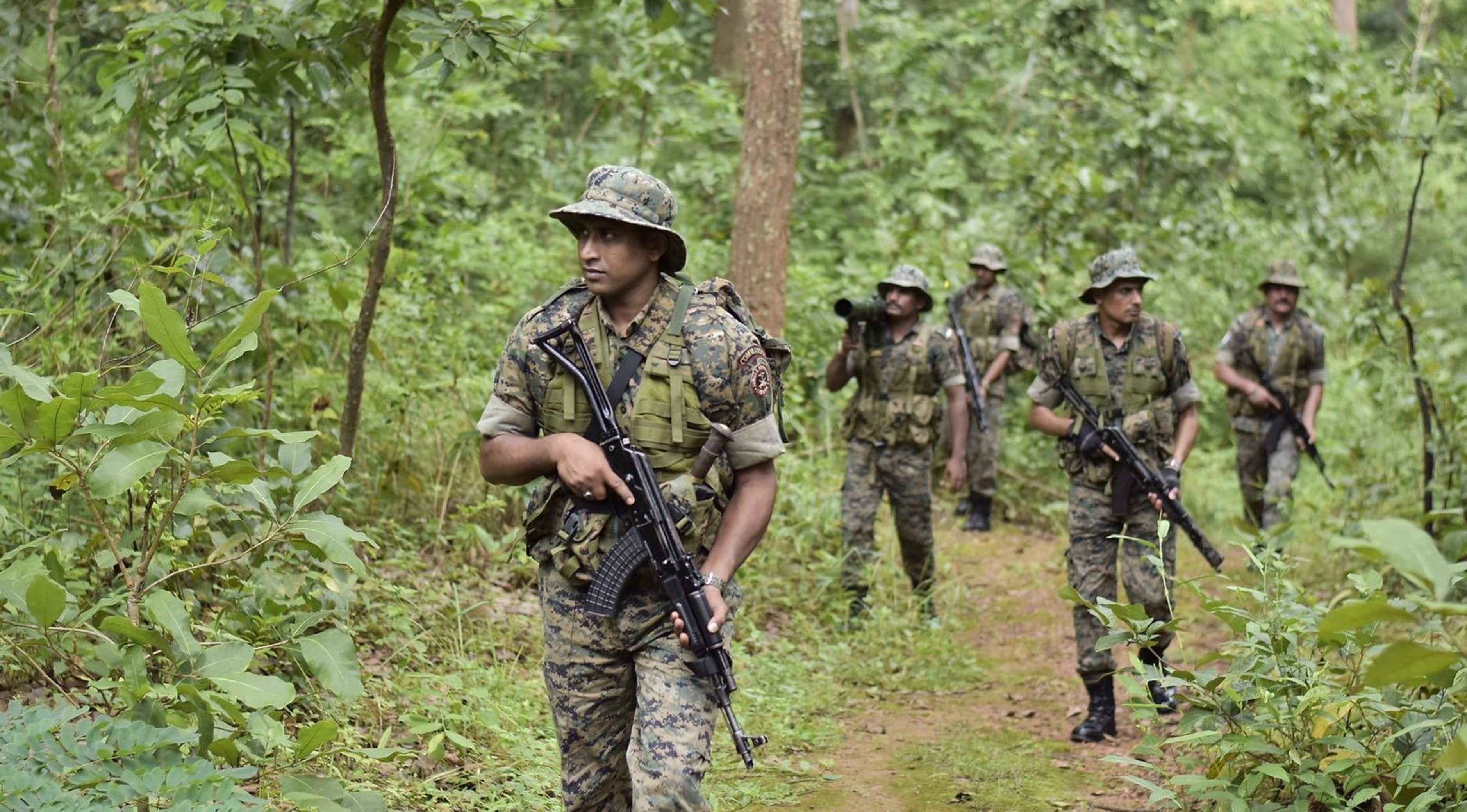
Naxalmukt Bharat: India's Biggest Internal Security Challenge, Eliminated
For decades, Left-Wing Extremism remained one of India’s most persistent internal security challenges, affecting large parts of central and eastern India where governance and development remained weak. Speaking of the Modi Government, since 2014, it has addressed this challenge through a sustained strategy combining security operations, infrastructure expansion, administrative reach, tribal welfare, and development-led governance across affected regions.