

Ease of
Doing Business
Ease of
Doing Business
India simplified regulations, reduced compliance burdens, accelerated approvals, and strengthened digital systems, making it faster, cheaper, and easier to start and grow businesses.
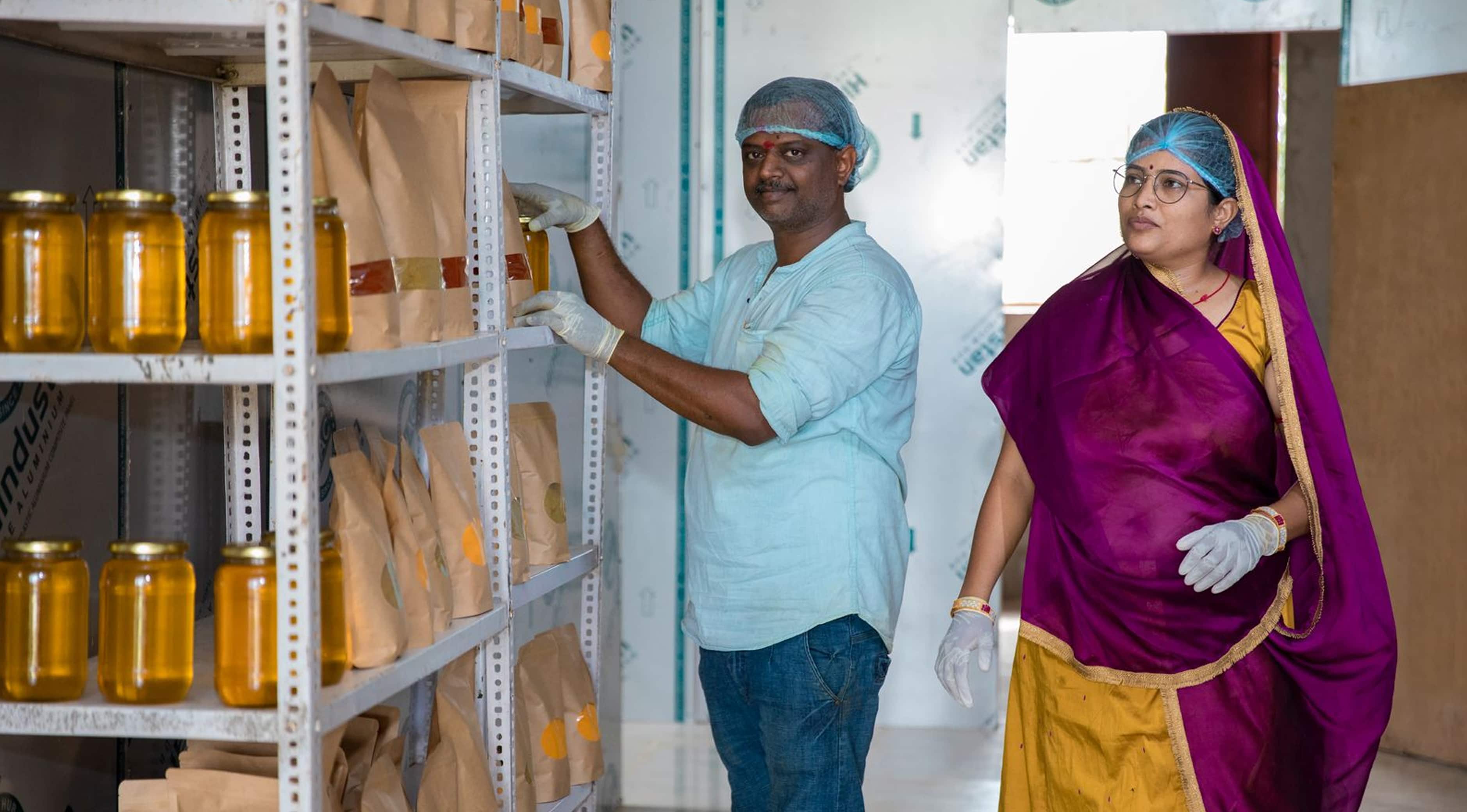
Why India’s Startups Are Delivering More Than Just Valuations
A decade ago, launching and scaling a startup in India often felt like navigating a maze of approvals, paperwork, and the lingering risk of disproportionate penalties for minor slips. The ecosystem was largely confined to a few metros, weighed down by compliance burdens that discouraged risk-taking. As of March 2026, India has surpassed 2 lakh DPIIT-recognised startups, with a record 55,200 added in FY 2025-26 alone; a 51% jump year-on-year.
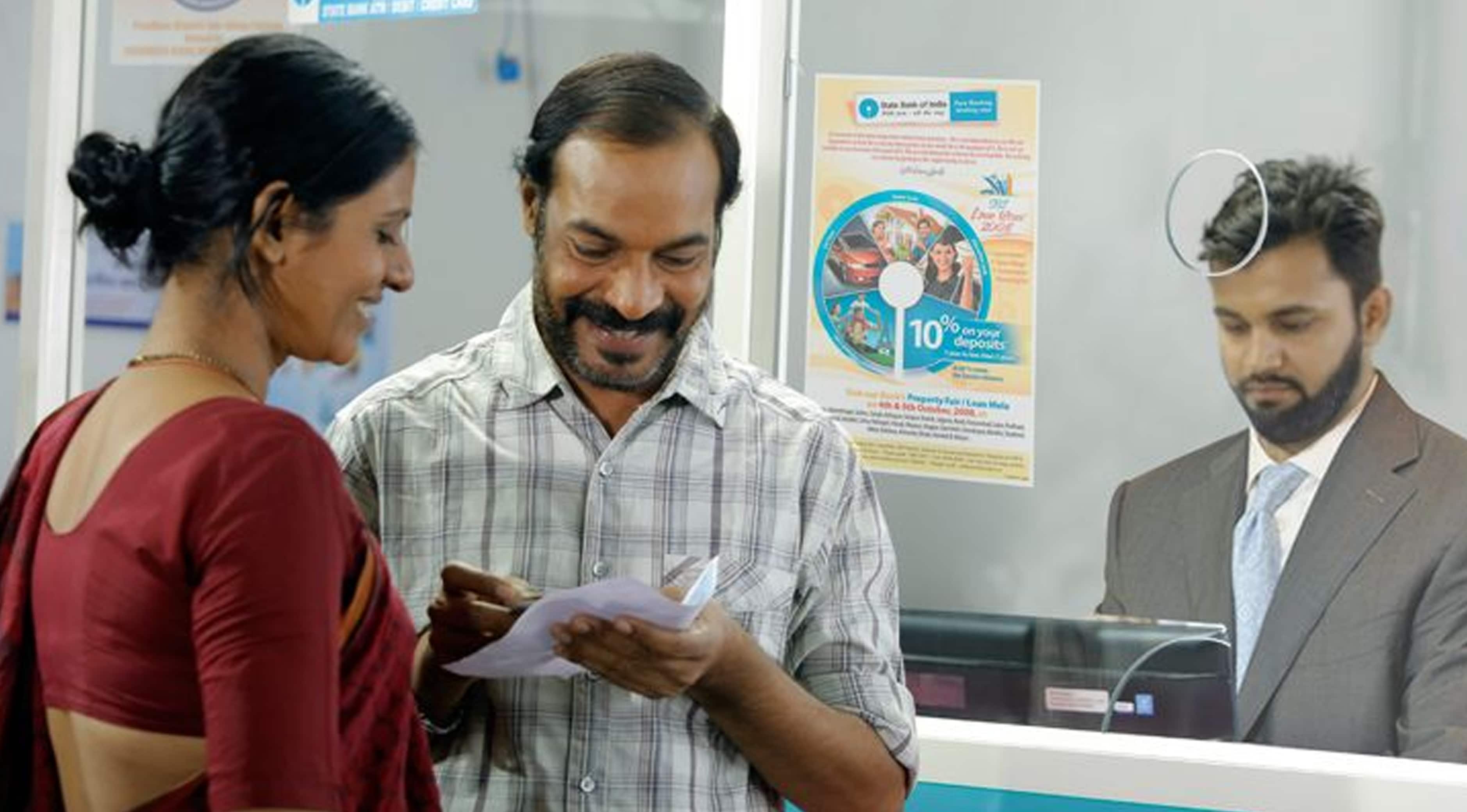
Process Reforms Re-engineer the Everyday Ease of Business in the Modi Era
Process reforms have become one of the strongest drivers of India’s economic transformation. They are quietly but steadily reshaping the foundations of Ease of Doing Business by fixing the day-to-day machinery of governance.
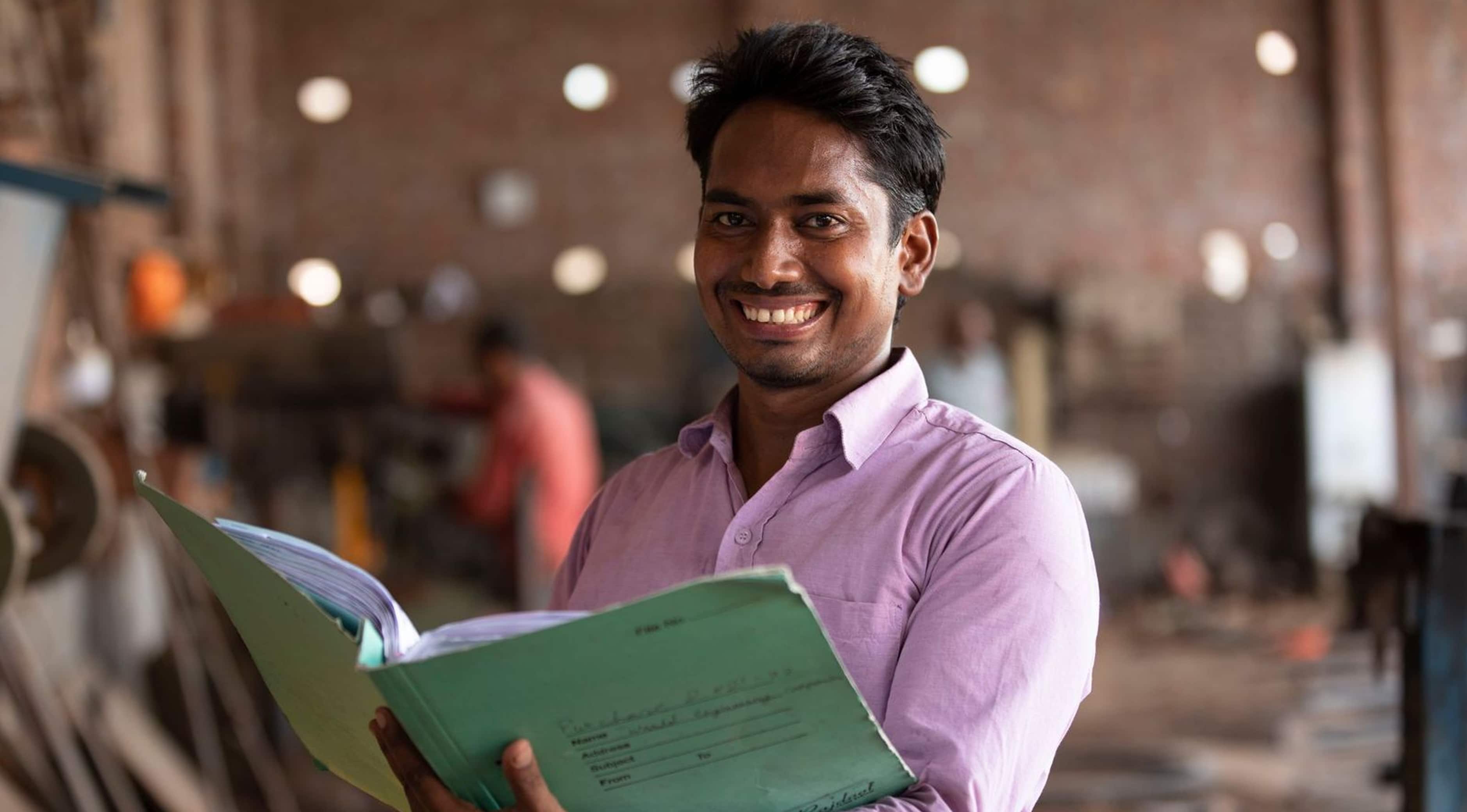
Unlocking Ease of Business: The Jan Vishwas Revolution
The Jan Vishwas reform is best known as a multi-phase, evolving architecture of trust-based governance. It stands as one of the defining hallmarks of Modi-era economic thinking, breaking away from the rigid assumptions of conventional regulatory economics. How?

Ease to Experience: The Next Phase of Doing Business in New India
Ease of Doing Business in the last 11 years has evolved from a simple reform checklist into a comprehensive governing philosophy. The real story, especially in the last year, goes far beyond improved rankings or isolated policy announcements.