

Propelling LiFE
Environment and Sustainability
Propelling LiFE
Environment and Sustainability
From policy gaps to global recognition, India has transformed into a clean energy powerhouse, protecting biodiversity and driving a people-powered green transition under PM Modi's leadership.
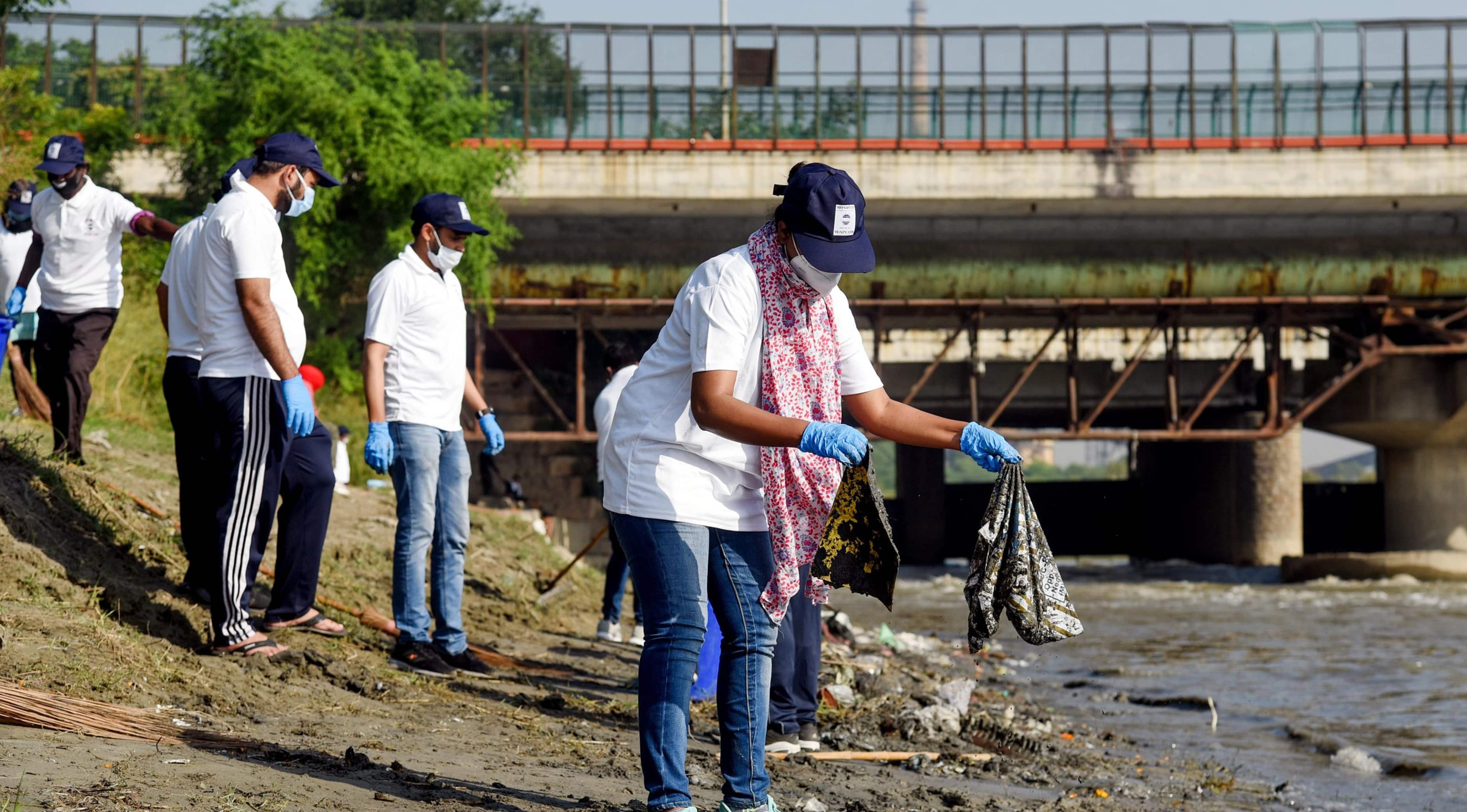
Environmental Protection Through Jan Bhagidari and Scientific Waste Management in India
Waste management has become a critical environmental and public health challenge in rapidly urbanising societies like India. The way a country manages its municipal solid waste directly affects groundwater, rivers, soil quality, air pollution, and urban liveability. Since 2014, India’s approach has shifted from unscientific dumping systems to structured waste collection, segregation, and processing, supported by infrastructure expansion, regulatory reforms, and citizen participation. This transition successfully shows the effort of the Modi Government to link urban growth with environmental responsibility.
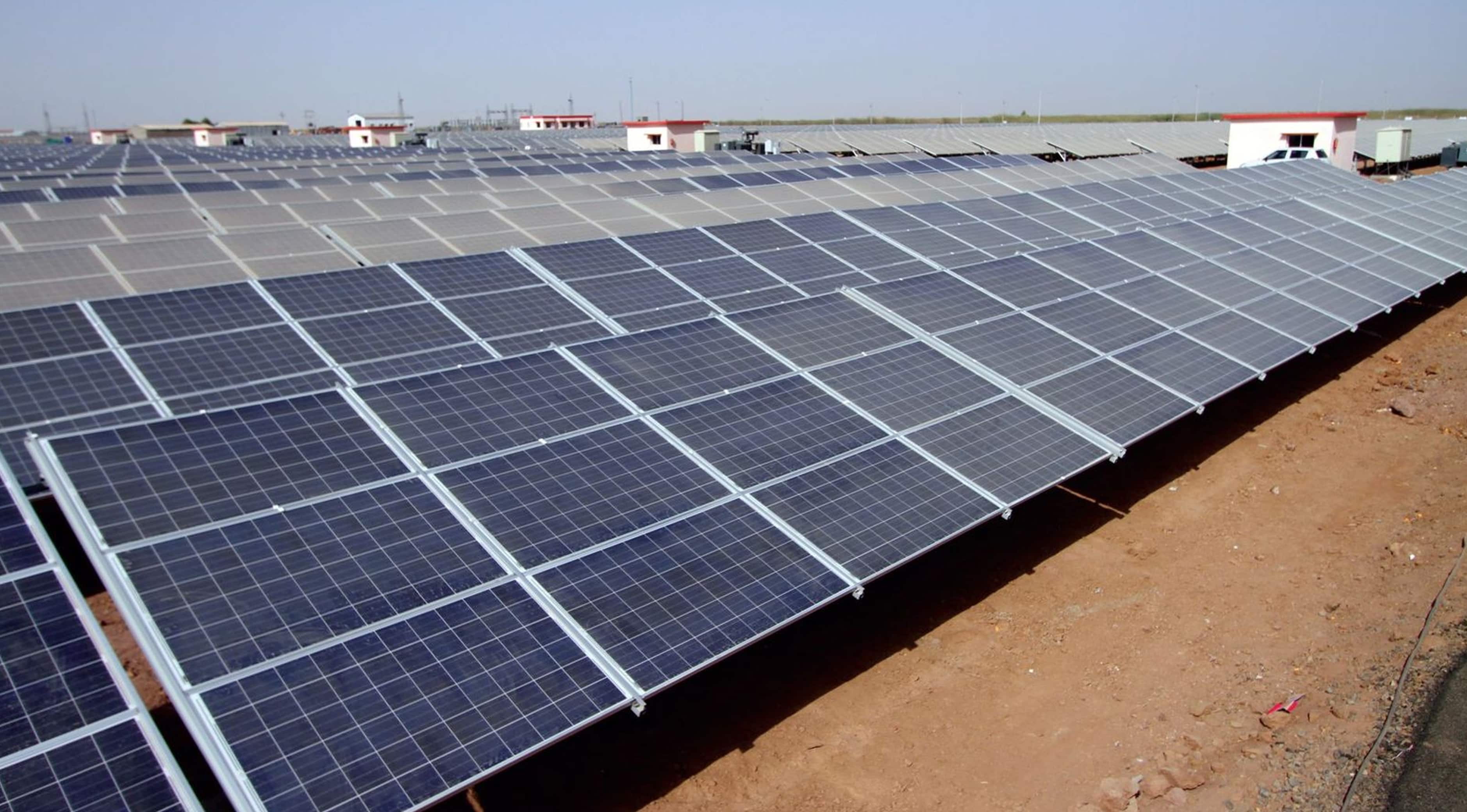
India's Climate Action Policy in a Development Context
Climate policy in India under Prime Minister Naredra Modi has been shaped within a developmental context rather than as a standalone environmental question. The emphasis has been on ensuring that economic growth, energy access, industrial expansion, and environmental responsibility evolve together, so that development remains sustainable without slowing the country’s long-term progress.
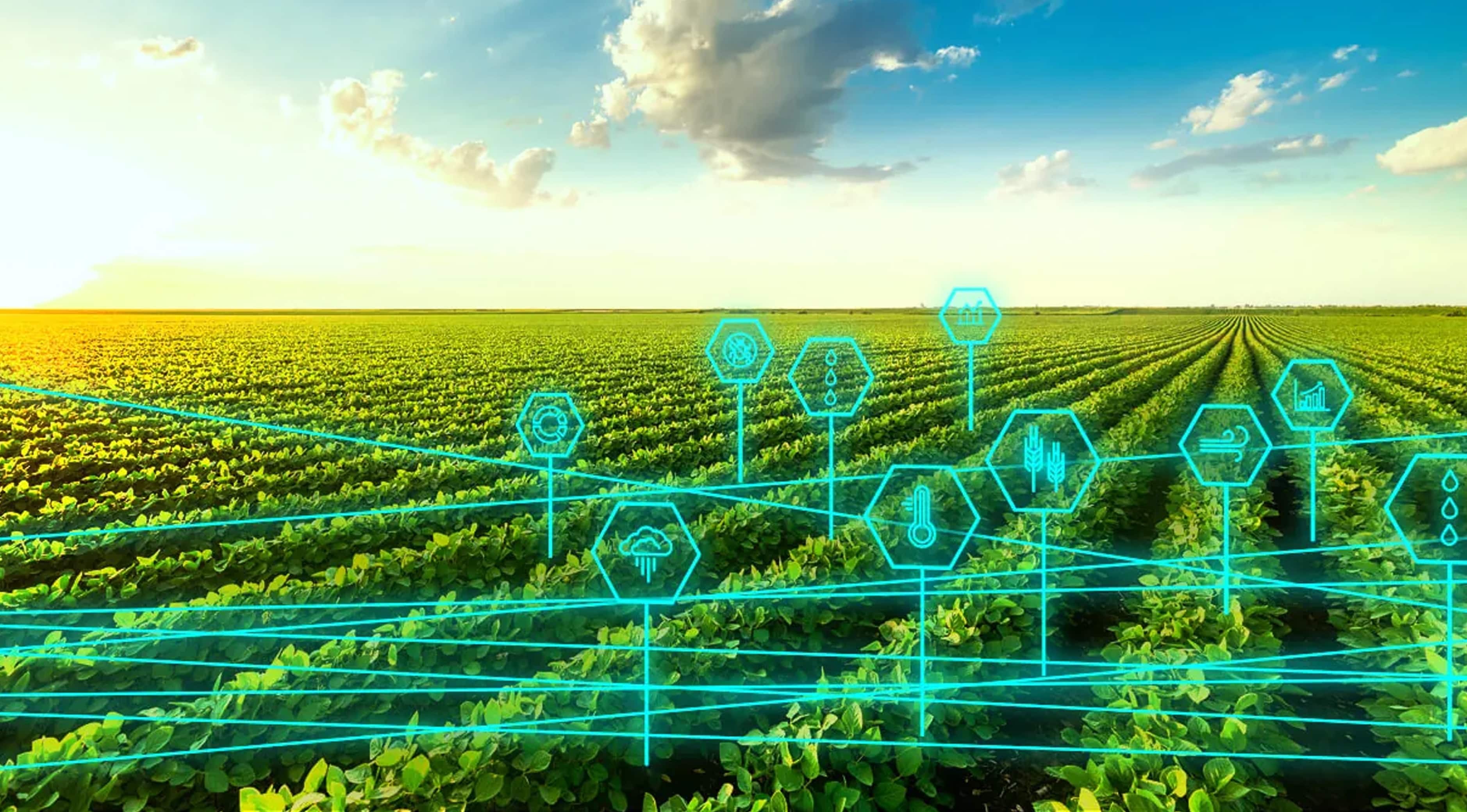
India's Climate Response Gets Smarter: The Role of AI in Climate Response
Climate change now shapes everyday decisions, from farming cycles to urban planning in India. As risks from extreme weather and environmental stress increase, the focus has gradually shifted from acknowledgement to response. In India, this response has taken multiple forms, expanding renewable energy, improving forest cover, and strengthening systems to deal with floods, cyclones, and heatwaves. Over the past 12 years, the use of technology, especially emerging technologies such as Artificial Intelligence (AI) has begun to influence how climate challenges are understood and managed.

India’s Ecological Conservation Efforts and Impact Since 2014
Environmental conservation in India today is no longer treated as a separate policy domain, but as an integrated part of development planning. The central challenge has been to balance economic growth with ecological stability, where forests, wetlands, wildlife, and urban ecosystems are protected while infrastructure and industrial expansion continue. But since 2014, India’s approach has successfully focused on expanding conservation systems, strengthening ecological restoration, and linking environmental protection with public participation and long-term sustainability.