

Affordable, Accessible
Healthcare For All
Affordable, Accessible
Healthcare For All
India is transforming healthcare with digital access, universal insurance, free medicines, and expanded hospitals, ensuring timely, affordable, and equitable care for every citizen.
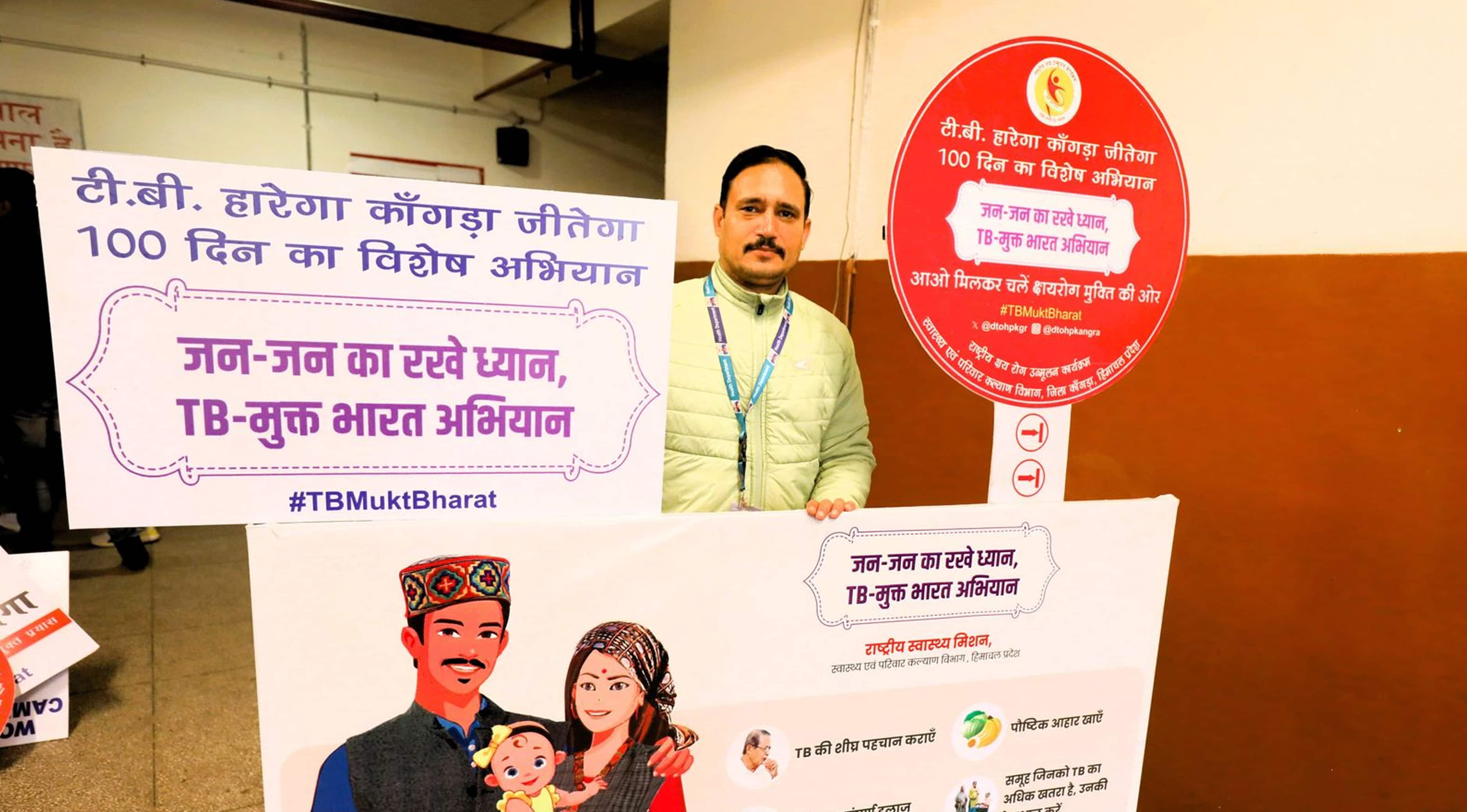
How India is changing the approach from reactive treatment to proactive detection
India’s health system is undergoing a stable and decisive transformation under Prime Minister Narendra Modi. For decades, the system was built largely around treatment after illness had already advanced.

Ancient Wisdom, Modern Scale: India’s AYUSH Sector Reshaping Public Health
On June 21, 2015, Prime Minister Narendra Modi led nearly 36,000 people in a mass yoga demonstration at Kartavyapath, setting two Guinness World Records on the very first International Day of Yoga.
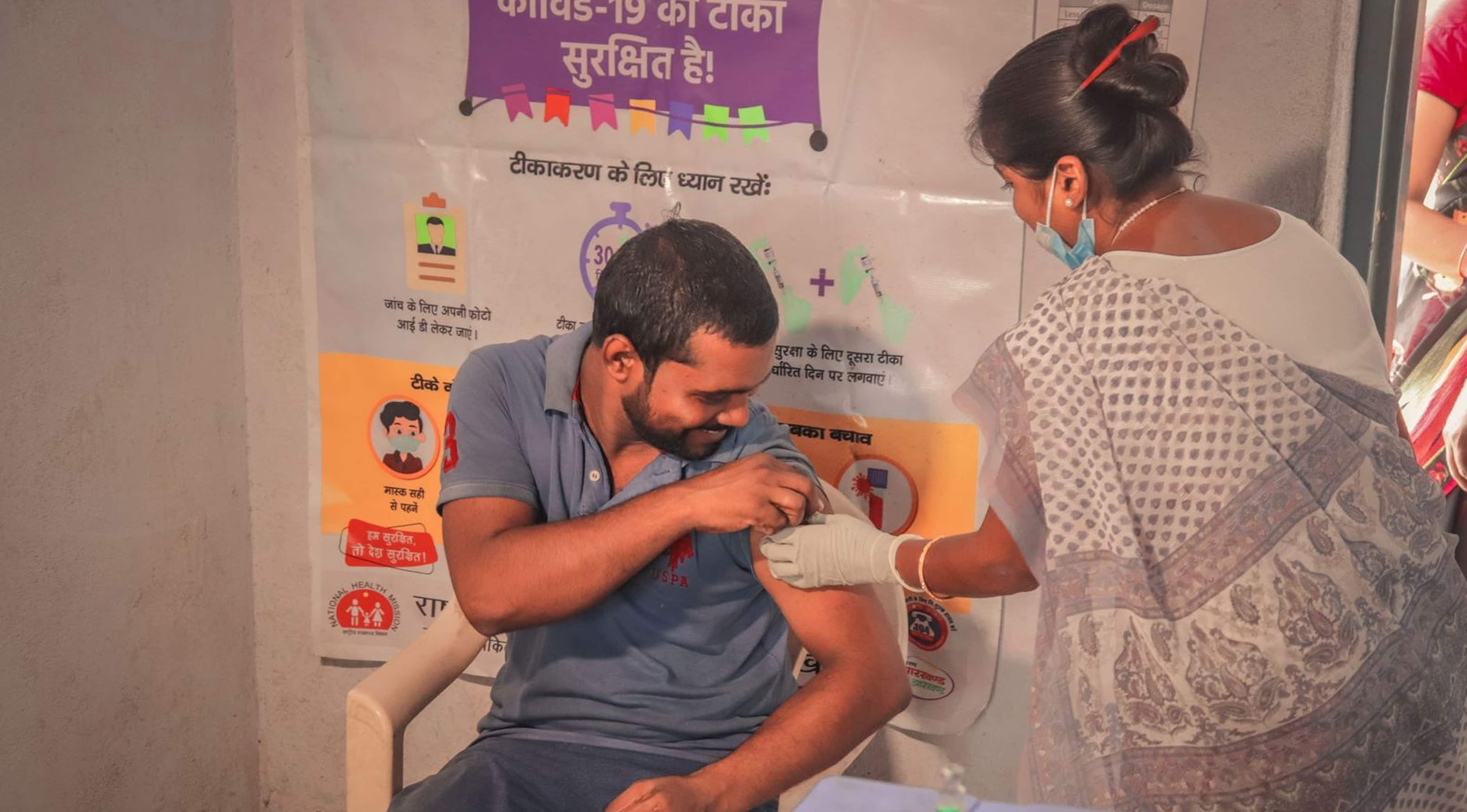
Shielding a Billion Lives by closing the Immunisation gap
Vaccines are among the few health interventions that simultaneously save lives, prevent disability and protect families from catastrophic health expenditure.
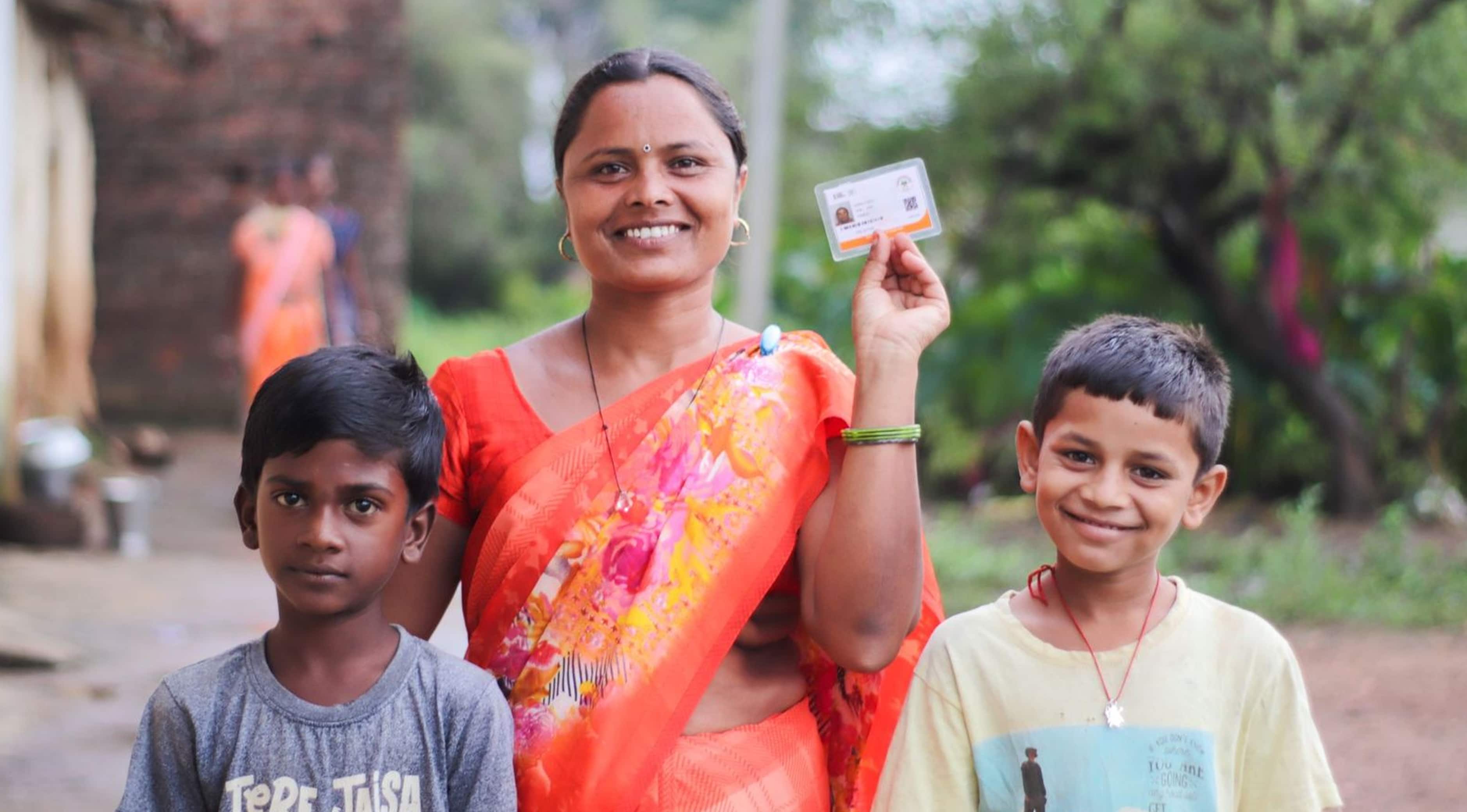
The Cost of Getting Better
For every Rs. 100 spent by an Indian, around Rs. 63 would be spent on healthcare bills. This meant, on average, almost three-quarters of out-of-pocket healthcare expenditure. For a significant percentage of the population, this meant that moving out of poverty was a road almost always blocked by large healthcare bills. This number, 62.6%, had defined the scale of India’s healthcare crisis for decades. That was the percentage of every rupee spent on health that came directly from a patient’s own pocket in 2014-15, not from insurance or the state. It was from families, often borrowing to pay for surgery, a cancer drug, or prolonged hospital care. With Prime Minister Modi at the helm, that number has fallen to 39% in 2025-26. This outcome is due to the cumulative effect of three policy instruments: Ayushman Bharat, the Jan Aushadhi Kendras, and the September 2025 GST reform, working towards lowering healthcare expenses and providing quality, affordable, and accessible healthcare for all.