

Infra at
Speed and Scale
Infra at
Speed and Scale
India is accelerating its infrastructure growth through roads, railways, airports, and ports, driving connectivity, economic opportunities, and long-term national development.
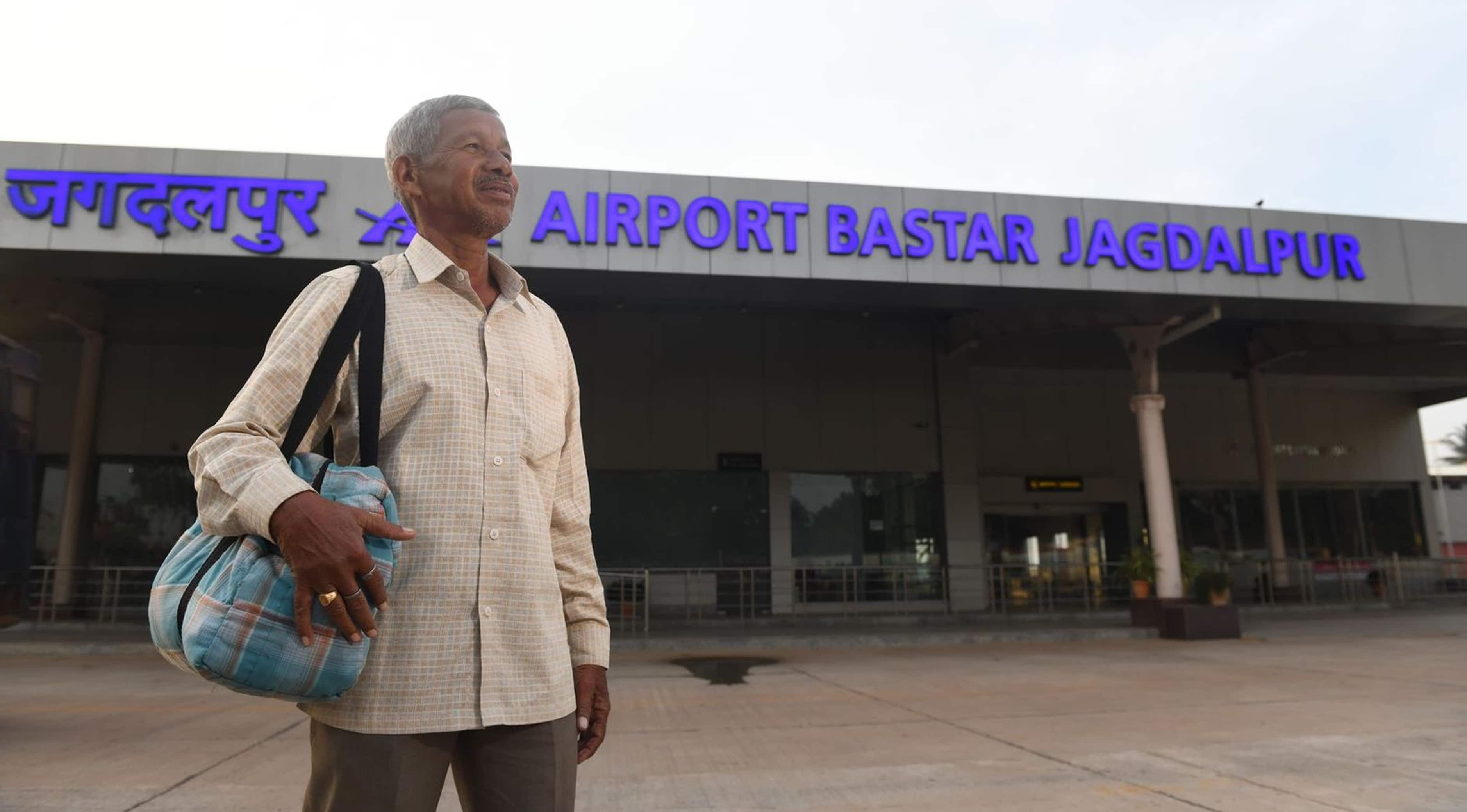
From Luxury to Accessibility: How India’s Aviation Revolution Is Connecting Aspirations
In the early 2000s and even through much of the following decade, air travel in India remained beyond the reach of many ordinary citizens. For a family in a small town, reaching an airport itself was often a challenge. Several regions had no direct air connectivity, and people frequently travelled long distances by train or road to reach major cities before boarding a flight. Air travel was largely viewed as a service for business travellers and the urban middle class rather than an everyday mode of transport.
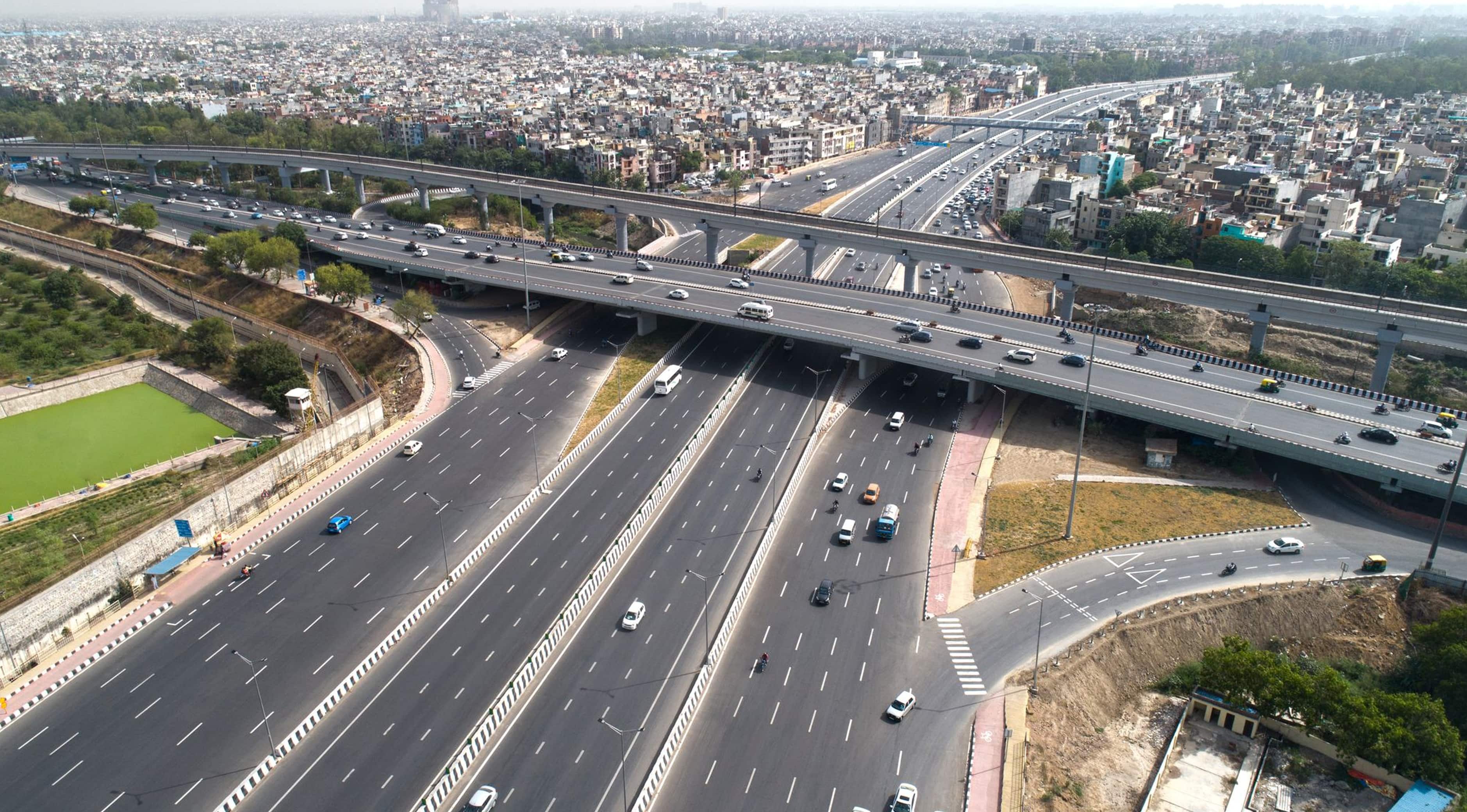
From Distance to Efficiency: How Roads and Ports Are Driving India’s Logistics Transformation
A decade ago, India’s infrastructure was struggling under severe strain. In July 2012, the country suffered one of the world’s largest blackouts, plunging over 620 million people into darkness. Trains stopped mid-journey, traffic signals failed, factories shut down, and ports faced cascading delays as power shortages crippled operations. Trucks crawled on potholed highways, taking 5–6 days for the Delhi–Mumbai run, while ships waited up to 93 hours at congested ports. High logistics costs and poor connectivity had become a major drag on economic growth.
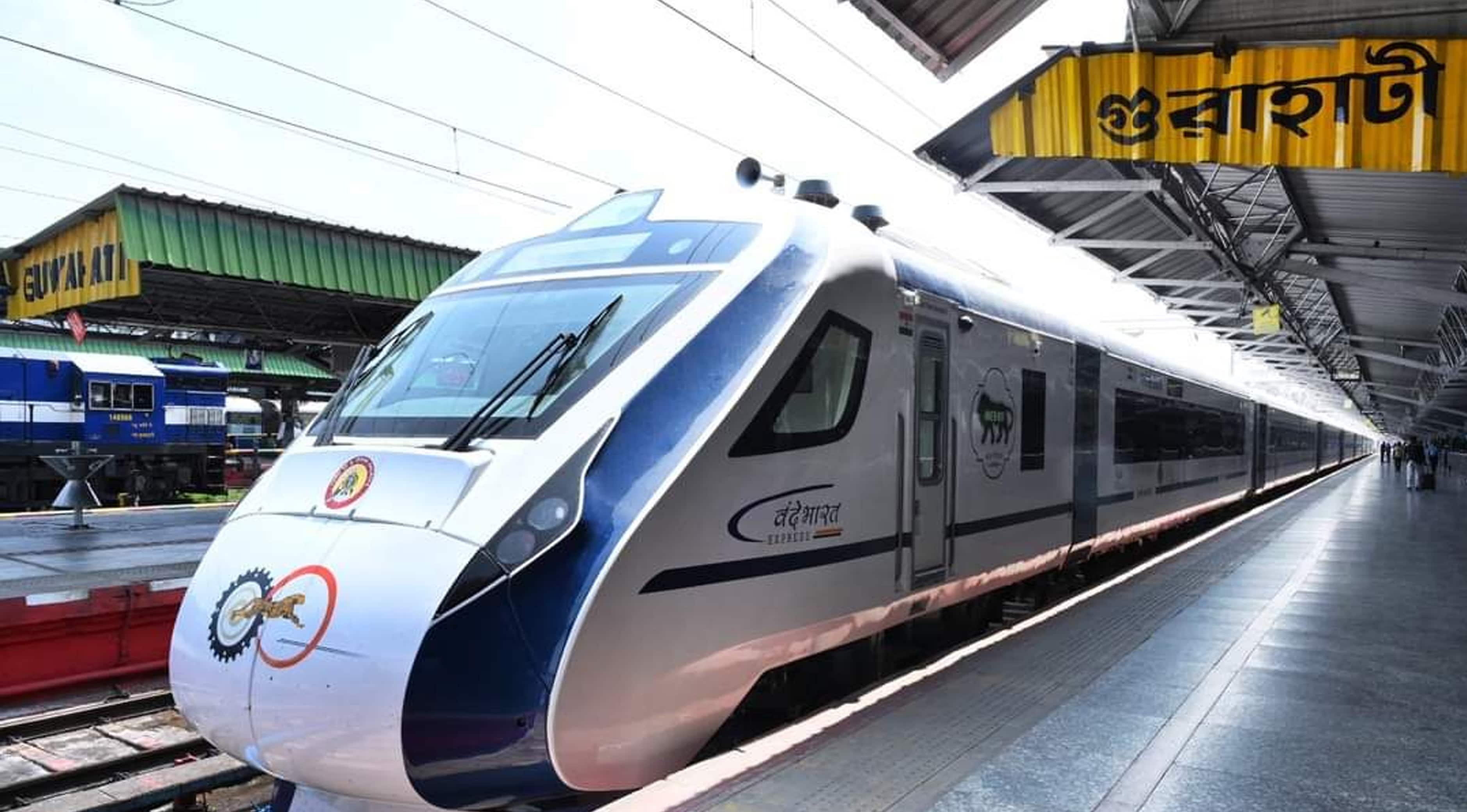
From Isolation to Integration: How Indian Railways and Metro Are Redefining India’s Connectivity
A few years ago, reaching Aizawl, the capital of Mizoram, meant enduring a long, tiring road journey filled with landslides, broken stretches, and days of travel. In Jammu & Kashmir, the journey to Srinagar was often uncertain due to harsh terrain and weather. Daily office commuters between Delhi and Meerut spent 3–4 hours stuck in traffic, exhausted before the workday even began.
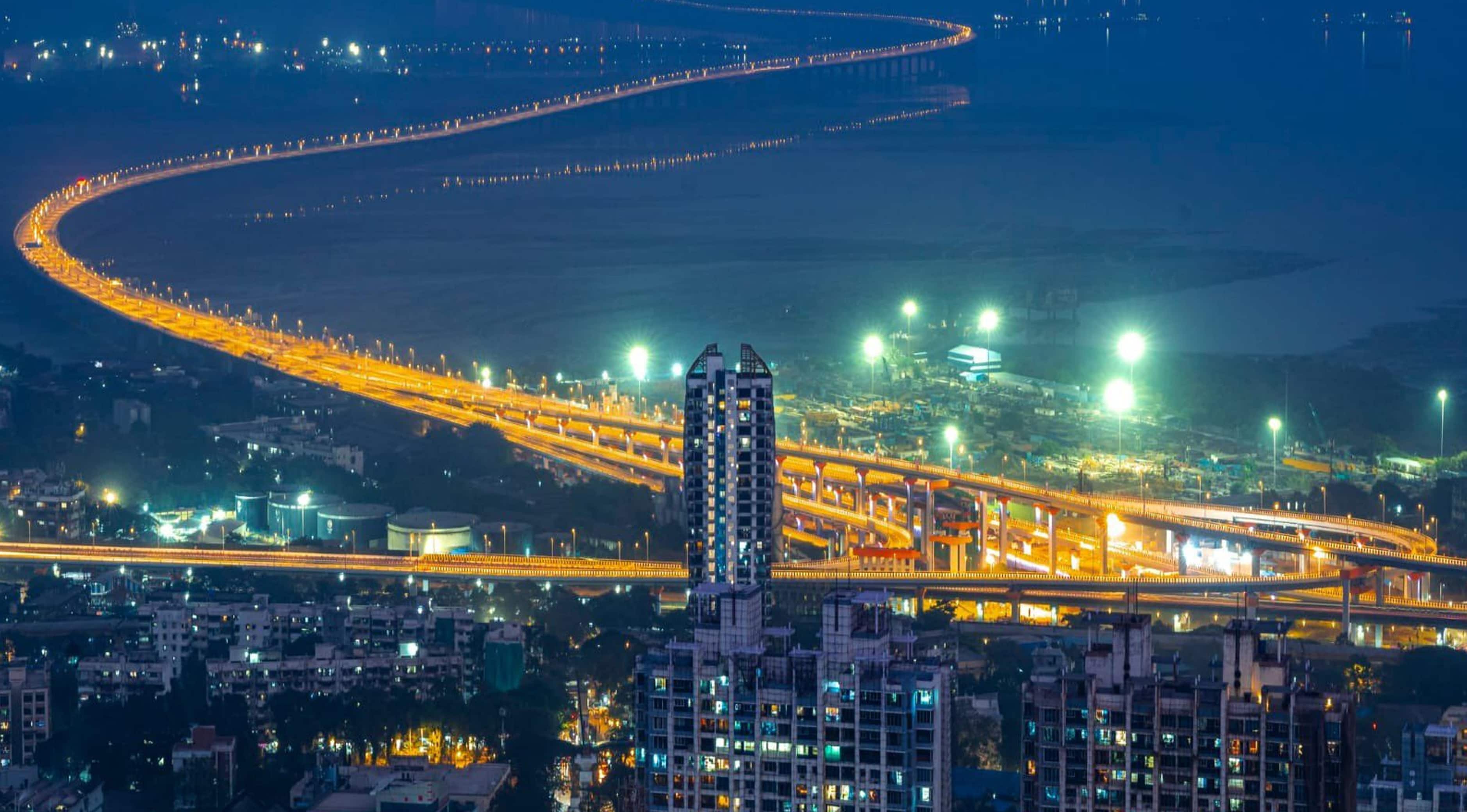
From Bottlenecks to Breakthroughs: India’s Infrastructure Revolution Under PM Narendra Modi
There was a time when infrastructure projects in India were often associated with delays, bottlenecks, and stalled execution. One of the clearest examples was the Mumbai Trans Harbour Link, now known as the Atal Setu. First proposed decades ago, the project faced repeated delays due to policy hurdles, approvals, and execution challenges before finally becoming a reality years later. Similar delays affected highways, railway projects, and urban connectivity across the country, slowing economic growth and increasing logistics costs.