

India's Enduring
Tech-Prowess
India's Enduring
Tech-Prowess
India has emerged as a global digital powerhouse with world-leading digital payments, widespread internet access, and rapid advances in space, semiconductors, and electronics manufacturing.
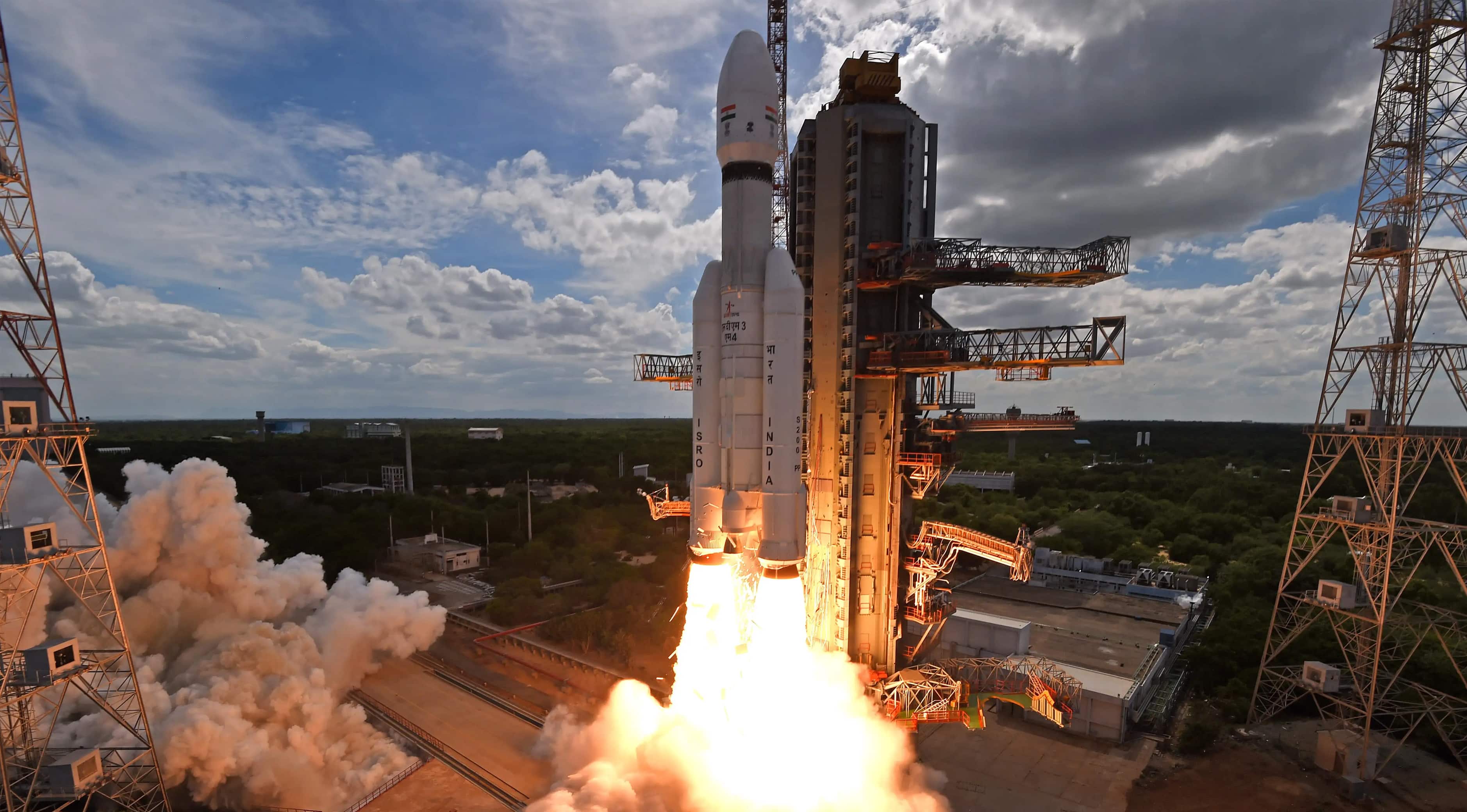
Under Prime Minister Narendra Modi, India’s Giant Leap Into Space
In 1984, when Indian astronaut Rakesh Sharma was asked how India looked from space, his iconic response, “Saare Jahan Se Achha,” became a defining moment of national pride. It symbolised India’s scientific aspirations and the dream of becoming a technologically advanced nation.
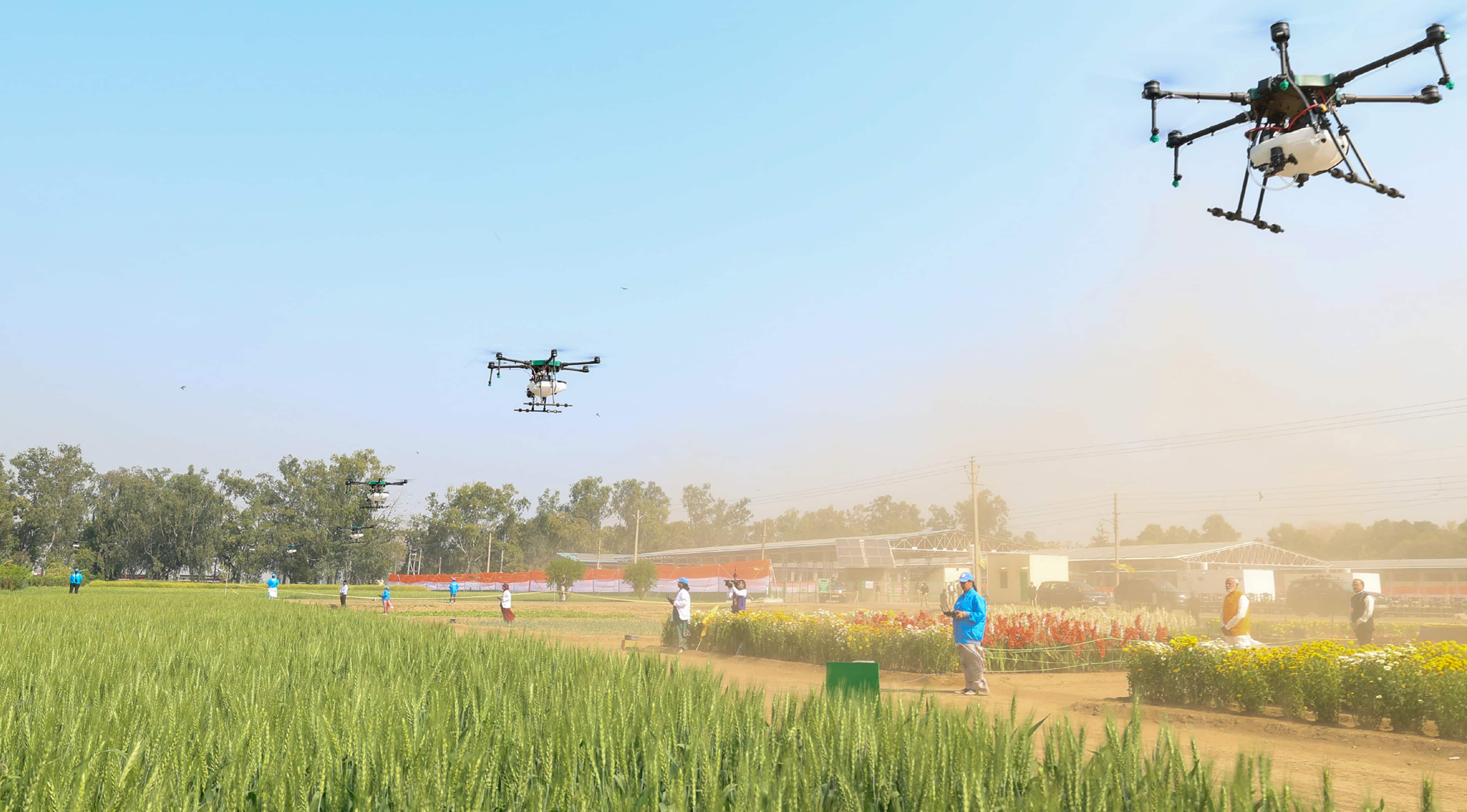
From Grounded Dreams to Soaring Heights: India’s AI and Drone Ecosystem Revolution Under PM Narendra Modi
Imagine a farmer in a remote Indian village in 2014, waiting weeks for basic crop advice, relying on guesswork for pest control, or watching his fields from the ground with no efficient tools. At the same time, a young engineer with dreams of building intelligent systems had few options but to seek opportunities abroad due to limited compute power and restrictive regulations on emerging technologies like drones.
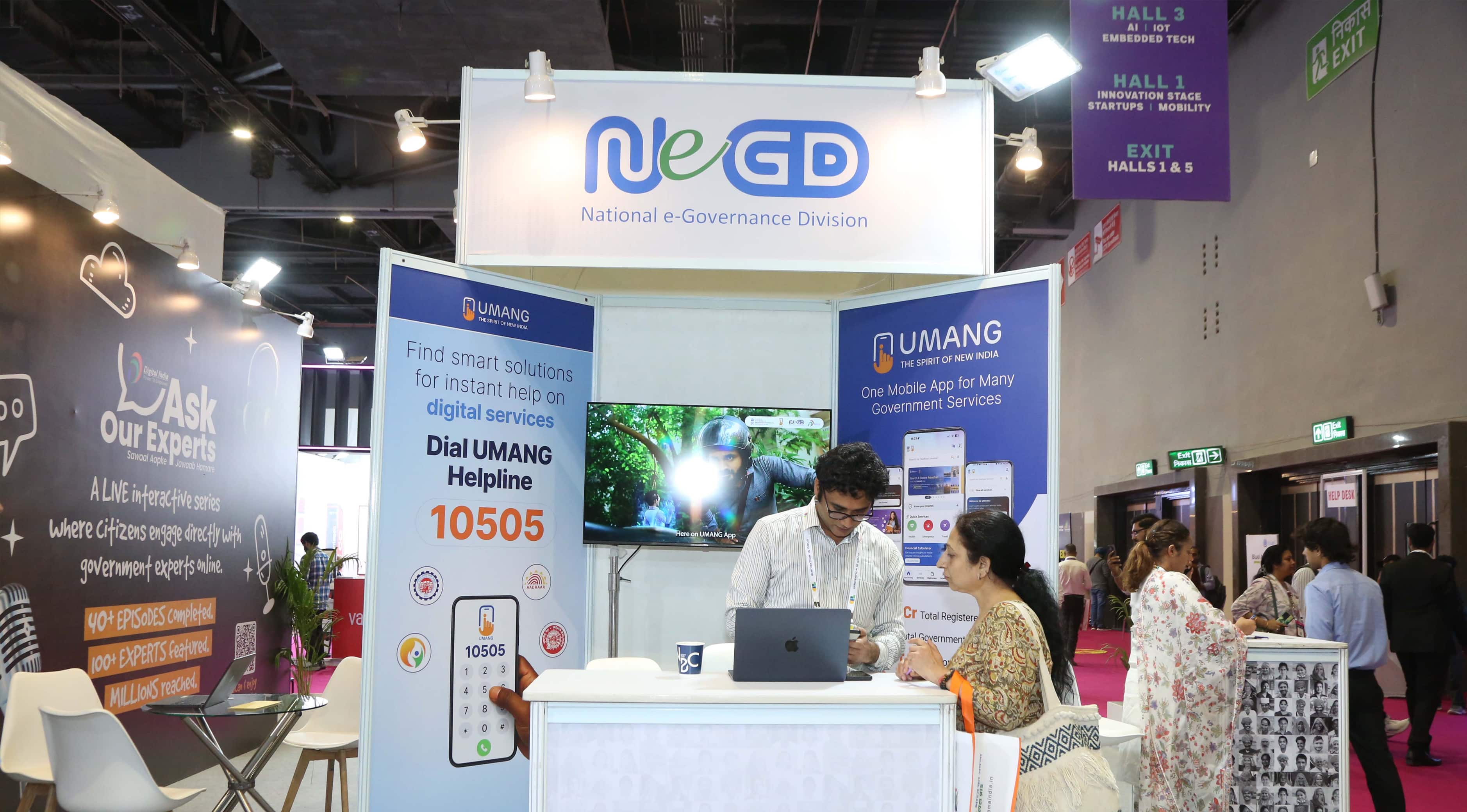
India’s Tech Leap: A Decade That Changed Everything
There was a time when digital payments in India were met with skepticism. In Parliament, a former finance minister once questioned the practicality of a cashless economy (2017), even mocking the idea of widespread online transactions in a country where cash dominated everyday life. Fast forward to March 2026, and the picture could not be more different. India processed 22.64 billion UPI transactions in a single month, worth over Rs.29.53 lakh crore.
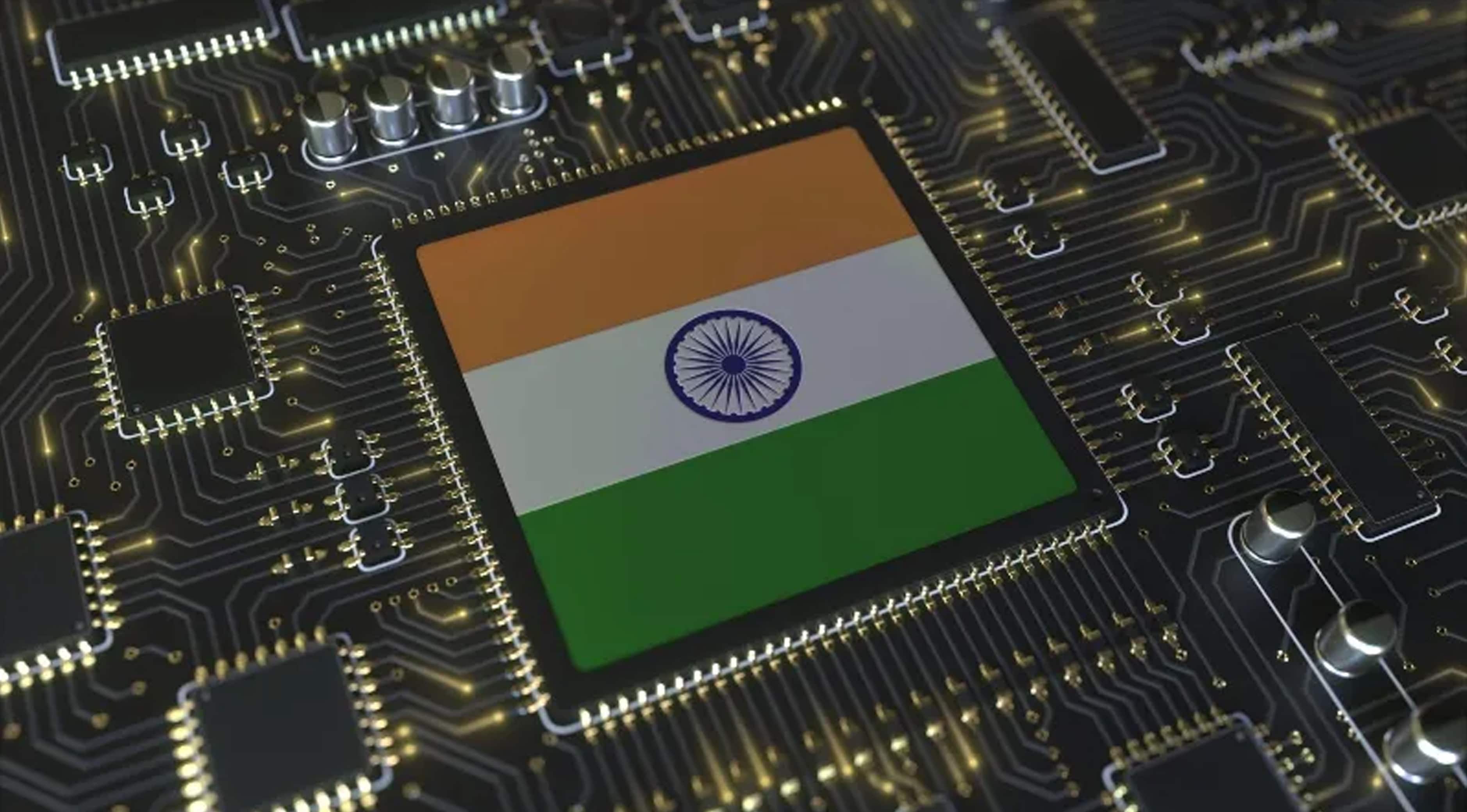
From Fire and Forget to Fabrication Future: India’s Semiconductor Comeback Story
There was a time when India had a real chance to become a global semiconductor player, but that opportunity was lost due to lack of strategic vision and policy clarity. As early as 1957, Fairchild Semiconductors, the precursor to Intel, explored setting up a packaging unit in India. The proposal did not materialise, and that very opportunity later turned into Asia’s largest semiconductor packaging hub in Malaysia. Over the years, similar patterns repeated. India set up early fabrication efforts for silicon and germanium transistors, but these initiatives failed to sustain. The country’s premier chip facility, the Semi-Conductor Laboratory, suffered a major setback when a fire in 1989 halted production for years, effectively pushing India out of the semiconductor race at a critical moment.