

Ensuring
Farmer Welfare
Ensuring
Farmer Welfare
India is strengthening farmer welfare through record procurement, income support, digital access, subsidies, and technology-driven reforms, ensuring prosperity, dignity, and growth for every Annadata.

Holistic Empowerment: Rewriting the Story of India’s Annadatas
In India, farmers are considered the foundational base of the country’s food security and rural economy. Recognising their importance, the current government, led by Prime Minister Narendra Modi, has implemented a holistic approach to empower them. This approach addresses the issues faced by our Annadatas for decades and has formulated a well-calculated strategy that combines technological adoption, expanded credit access, robust risk coverage, infrastructure development, and market reforms. As a result, the Indian agricultural ecosystem has been undergoing a steady, structural transformation. Through sustained policy focus and significant budgetary support, the government has worked to transform agriculture into a viable and modern enterprise.
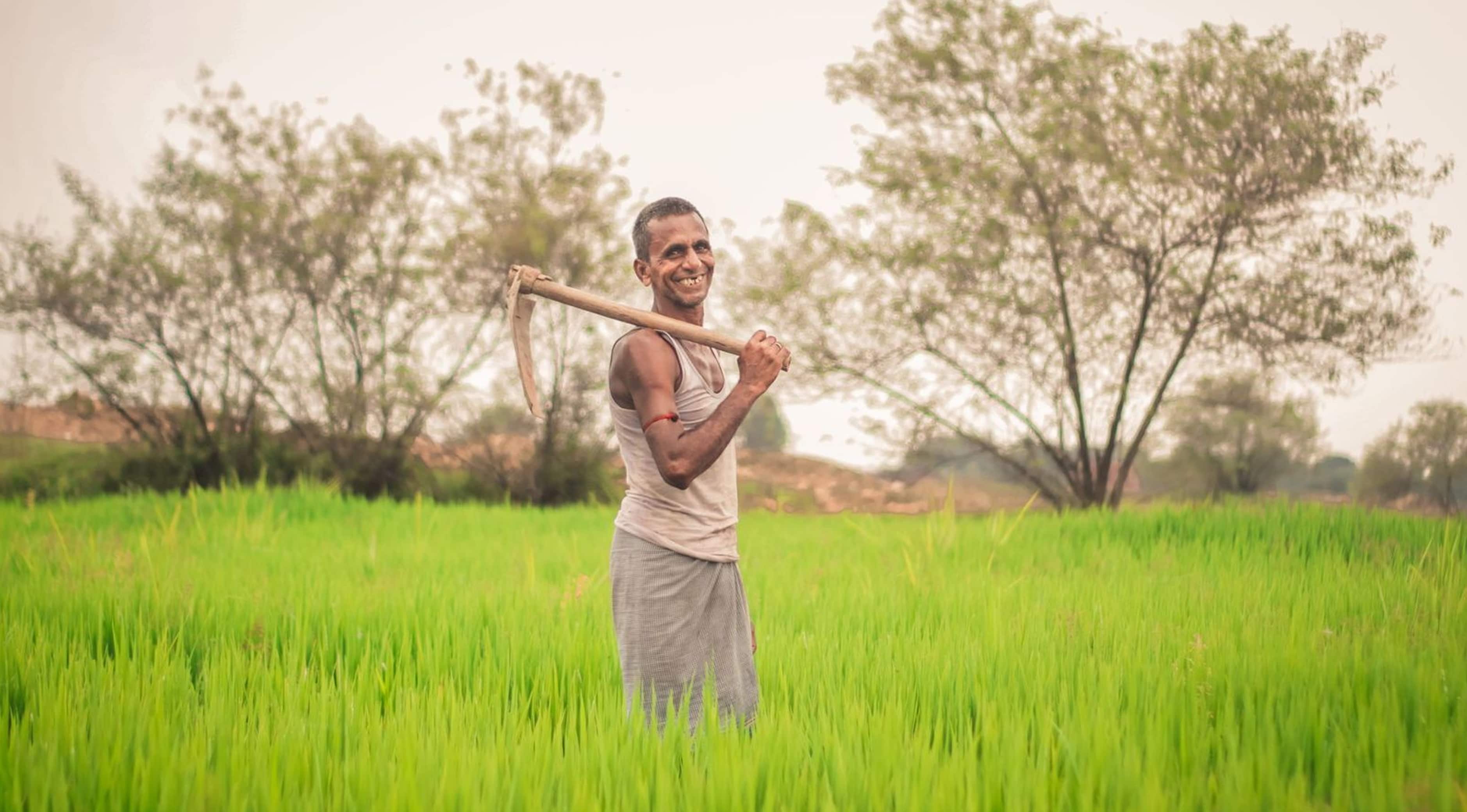
Enhancing Agricultural Productivity: India’s Mission-Mode Transformation Since 2014
Reforms, policies that prioritise welfare of every annadata and interventions to create a more conducive ecosystem in Indian agriculture have sparked a new era of transformation. Traditionally focused on subsistence and food security, the sector faced challenges such as fragmented landholdings, low mechanisation, and unpredictable yields. Over the years, gradual modernisation began, but large-scale transformation remained limited. Major policy changes and initiatives adopted since 2014 under the leadership of Prime Minister Narendra Modi, have transformed agriculture into a sustained, productivity-oriented economy powered by the engines of scale, science, and sustainability.
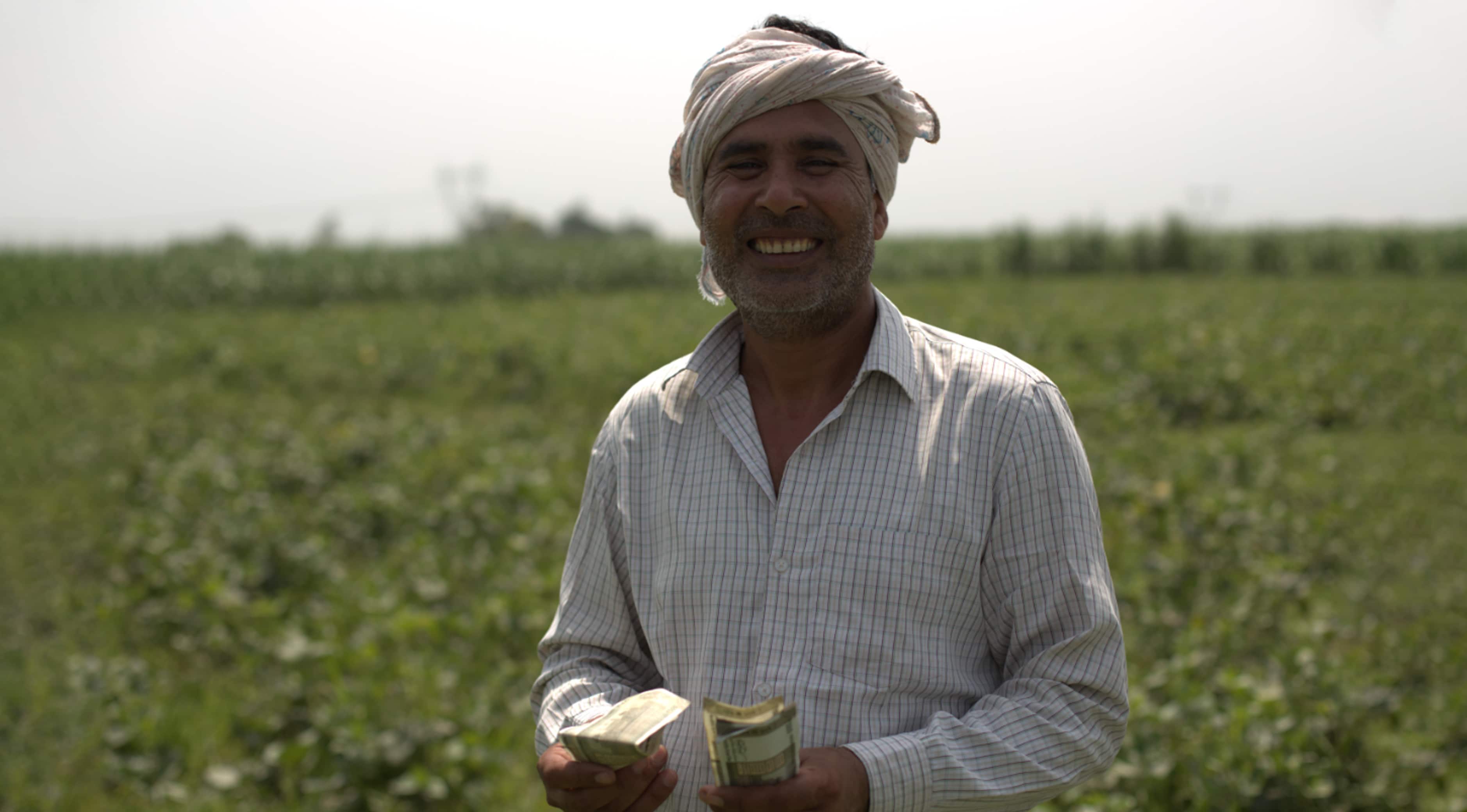
12 Years of Agricultural Growth: Augmenting Farmers’ Income
India's agriculture sector employs a significant portion of the population and forms the backbone of the rural economy and food security. Agriculture is considered the primary sector as it provides livelihood support to about 42.3 percent of the population and has a share of 18.2 percent in the country’s GDP at current prices. Despite its greater composition, the interests of our Annadatas were compromised for many decades. Due to the absence of formal credit and adequate market access, their incomes were also compromised.
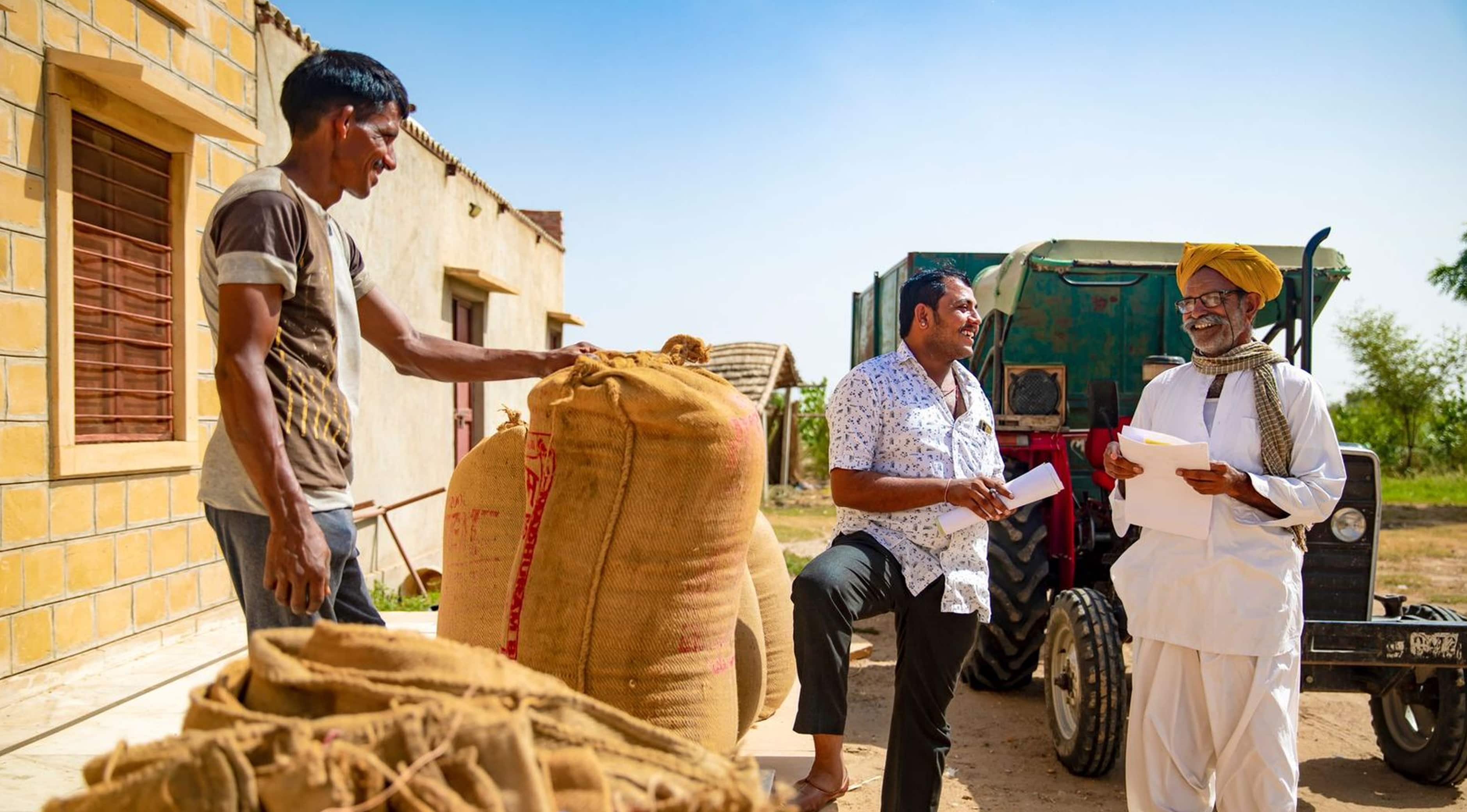
Feeding the World: India’s Rising Share in Global Agricultural Trade
In an era where ensuring food security has become a top priority amid climate change, geopolitical tensions, and a growing population, India stands out as a beacon of hope for the globe. India has moved beyond ensuring food security for its 140-crore population. In the last one decade, the country has transformed into a significant global food supplier, ranking at the top in many categories of agricultural commodity production. Foodgrain production touched a historic high of 357.73 MMT in 2024-25, reflecting an increase of 43 percent compared to 2013-14. Agricultural and allied exports have steadily climbed, reaching over USD 51 billion in FY25, despite global uncertainties.