

Vishwabandhu:
A friend to the world
Vishwabandhu:
A friend to the world
India has emerged as a confident global leader under PM Narendra Modi; becoming the voice of the Global South, forging landmark trade partnerships, supplying vaccines worldwide, and strengthening its position as a trusted global partner.
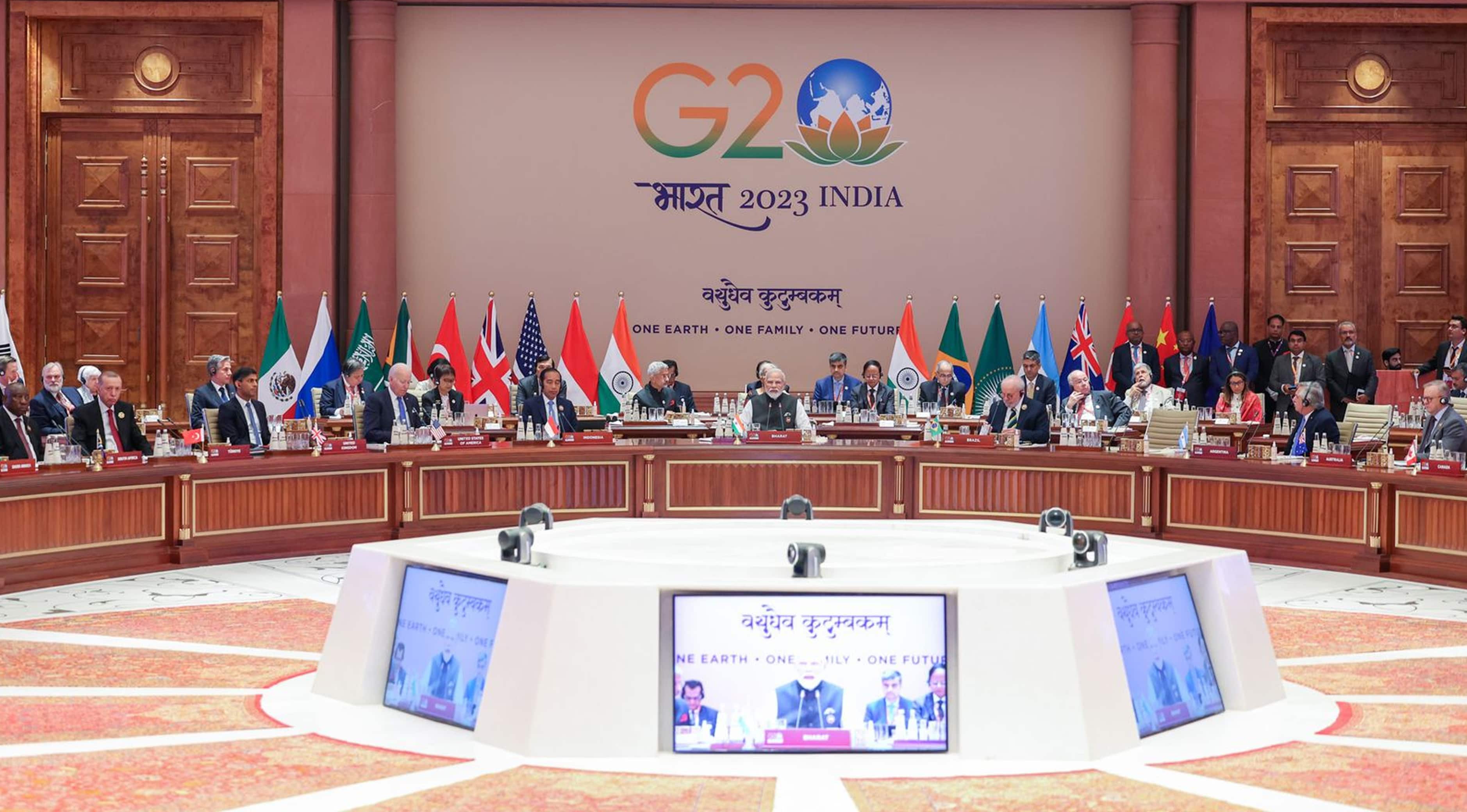
India's Strategic Ascent
The global balance of power is no longer centred on the Atlantic world. As economic growth, strategic influence, and geopolitical attention shift toward the Indo-Pacific, India has emerged as one of the principal forces shaping this transition. Since 2014, sustained economic expansion, growing state capacity, technological advancement, and strategic autonomy have enabled India to move from the margins of the global order to a position of increasing influence within it.
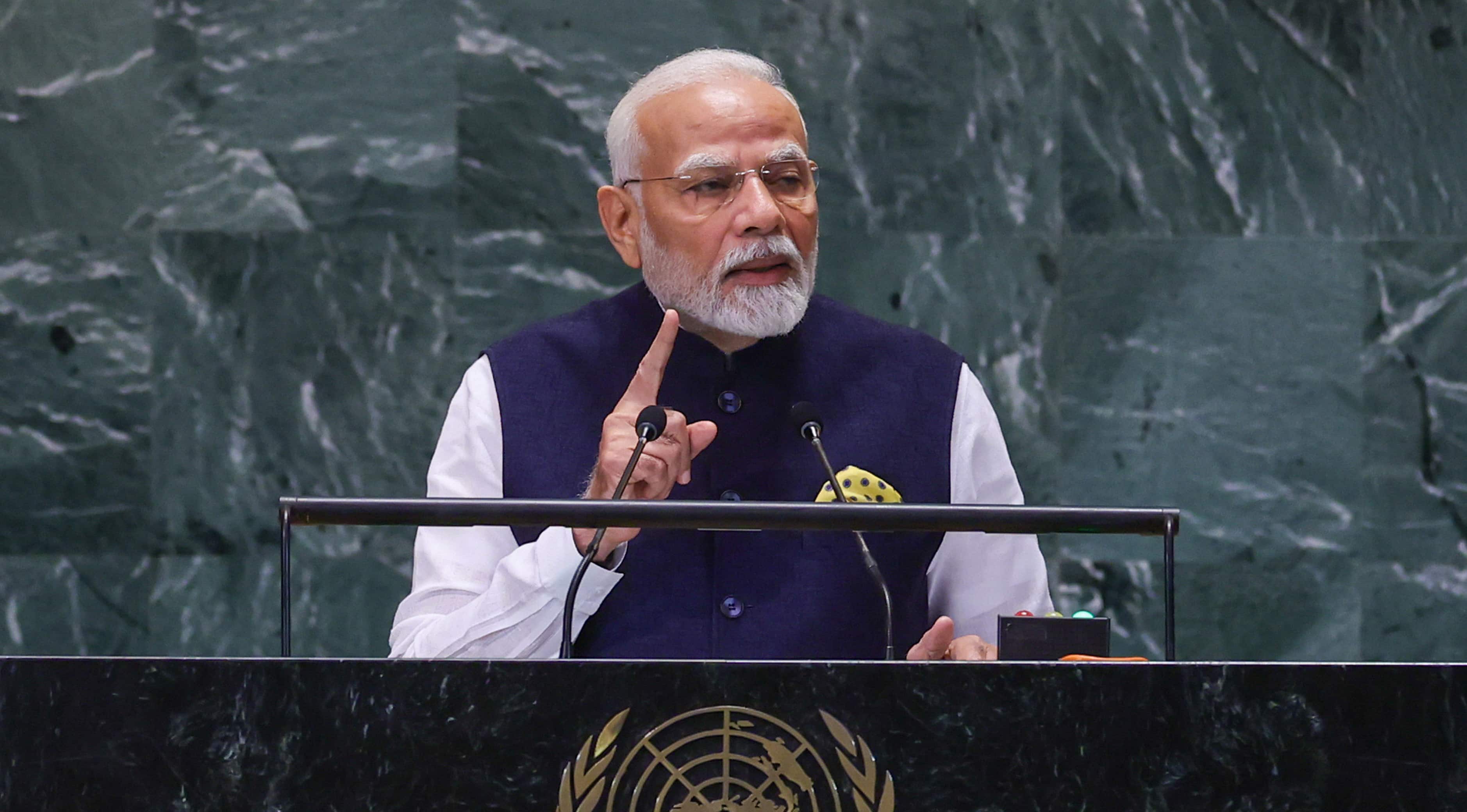
Reforming the Order, Not Imposing It: India's Foreign Policy Under Narendra Modi
Since 2014, India’s foreign policy has moved away from the caution and hesitations of earlier decades toward a more assertive form of strategic autonomy rooted both in restraint, and sovereign decision-making. In a fragmented global order, the Modi Government has consistently emphasized legitimacy, engagement, and balance over coercive intervention or externally imposed outcomes.
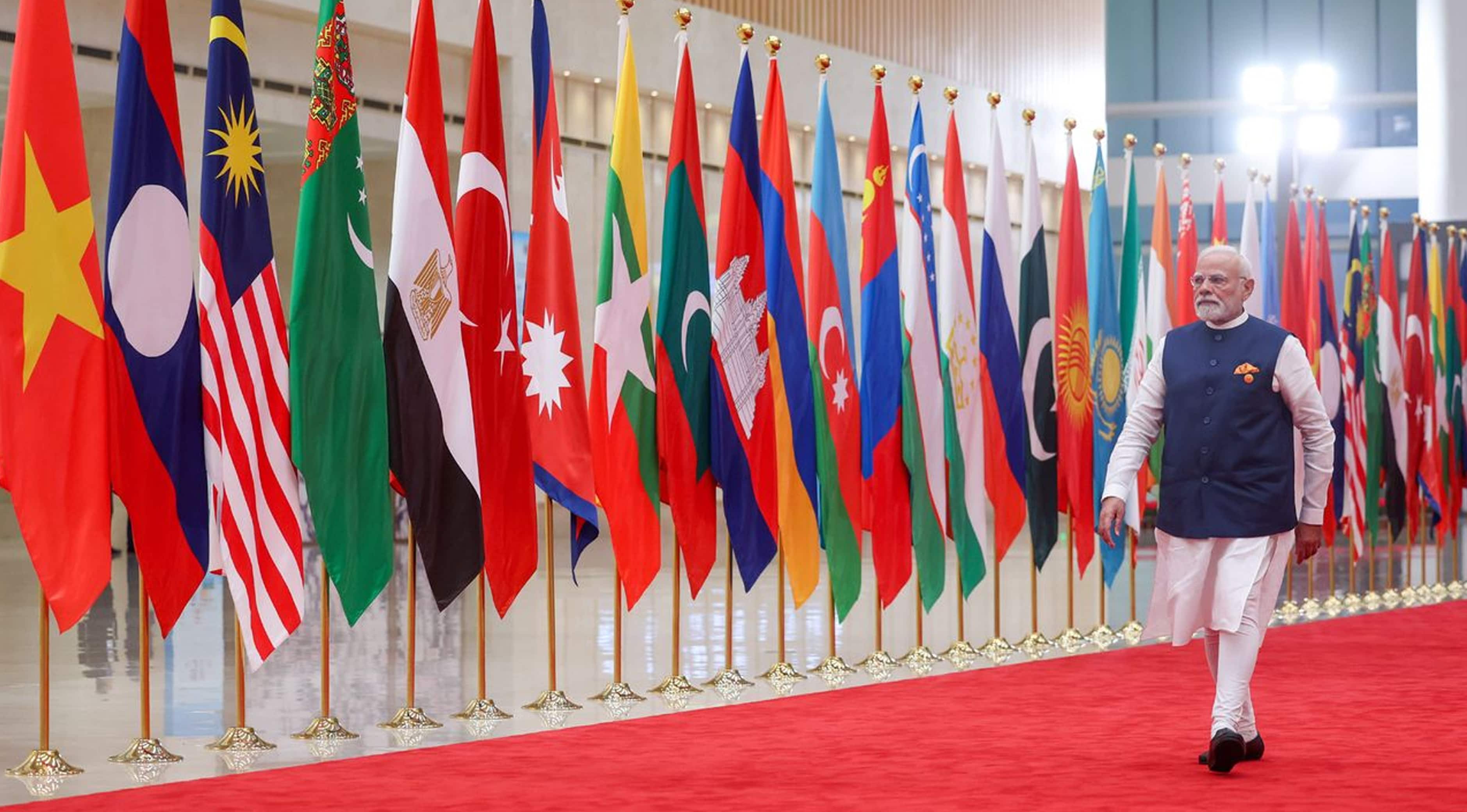
The Development Turn in India’s Foreign Policy
Since 2014, India’s foreign policy has evolved into a core instrument of national development, moving beyond traditional diplomatic concerns to focus on building long-term national capacity and resilience. External engagement is now closely aligned with domestic priorities such as economic growth, energy security, technological advancement, infrastructure development, and access to critical resources and markets. In this approach of New India, diplomacy is increasingly shaped by the objectives of Viksit Bharat, where trade, investment, connectivity, and technology cooperation are not separate policy tracks but integrated tools for strengthening India’s economic and strategic foundation.
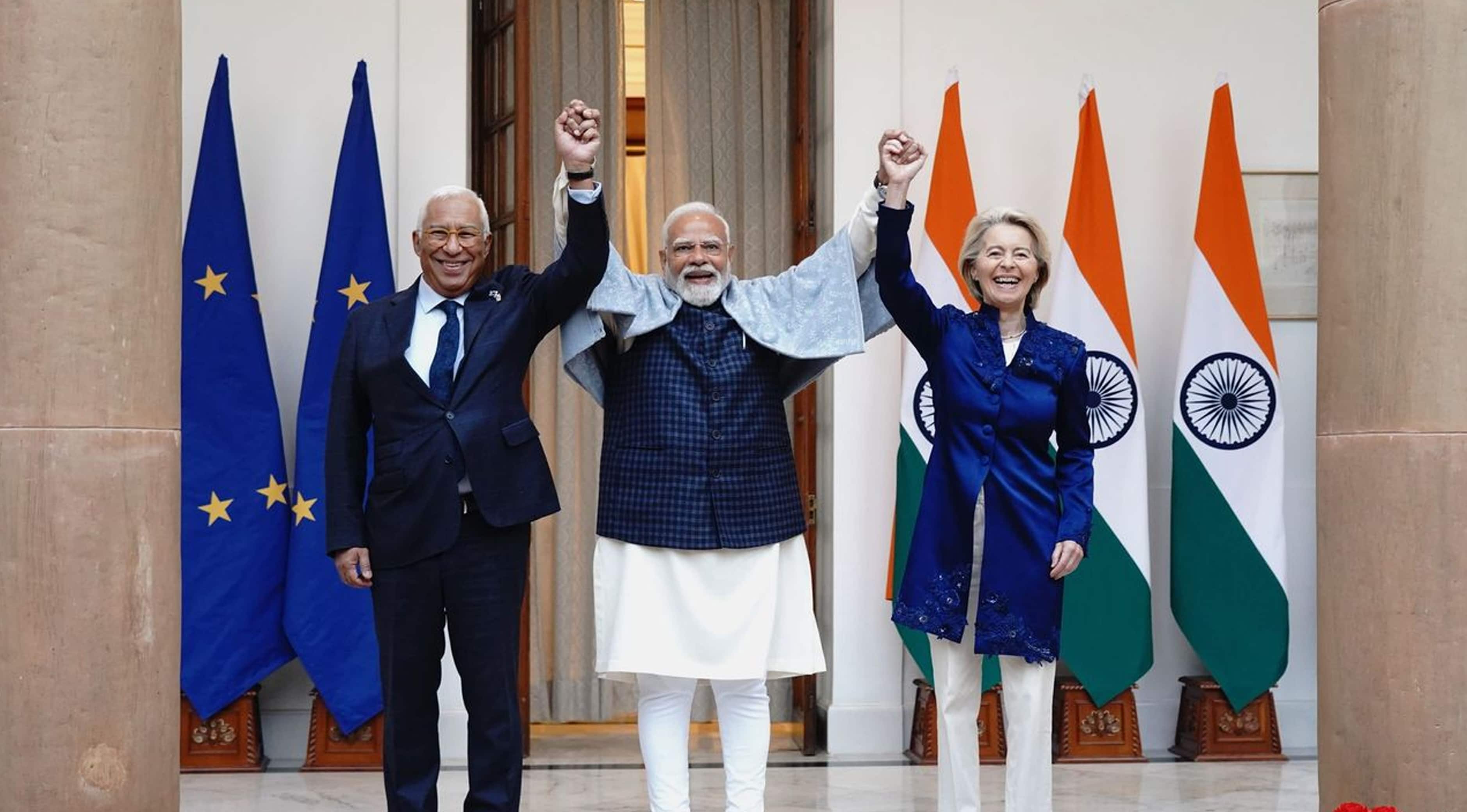
India's FTAs and the Shift Towards Strategic Trade Policy After 2014
International trade is no longer only an economic activity in the traditional sense; it has become a tool of strategic planning, risk management, and geopolitical positioning. But it was only after 2014, this approach has evolved into a more structured effort to diversify markets, strengthen economic partnerships, and align external trade agreements with domestic industrial and strategic priorities.The Modi Government trade policy has been shaped by considerations of supply chain security, partner reliability, and long-term national development goals.