

Northeast India:
A Growth Engine
Northeast India:
A Growth Engine
Northeast India achieved historic growth through massive investments, infrastructure, connectivity, and digital inclusion, transforming the region into a hub for enterprise and opportunity.
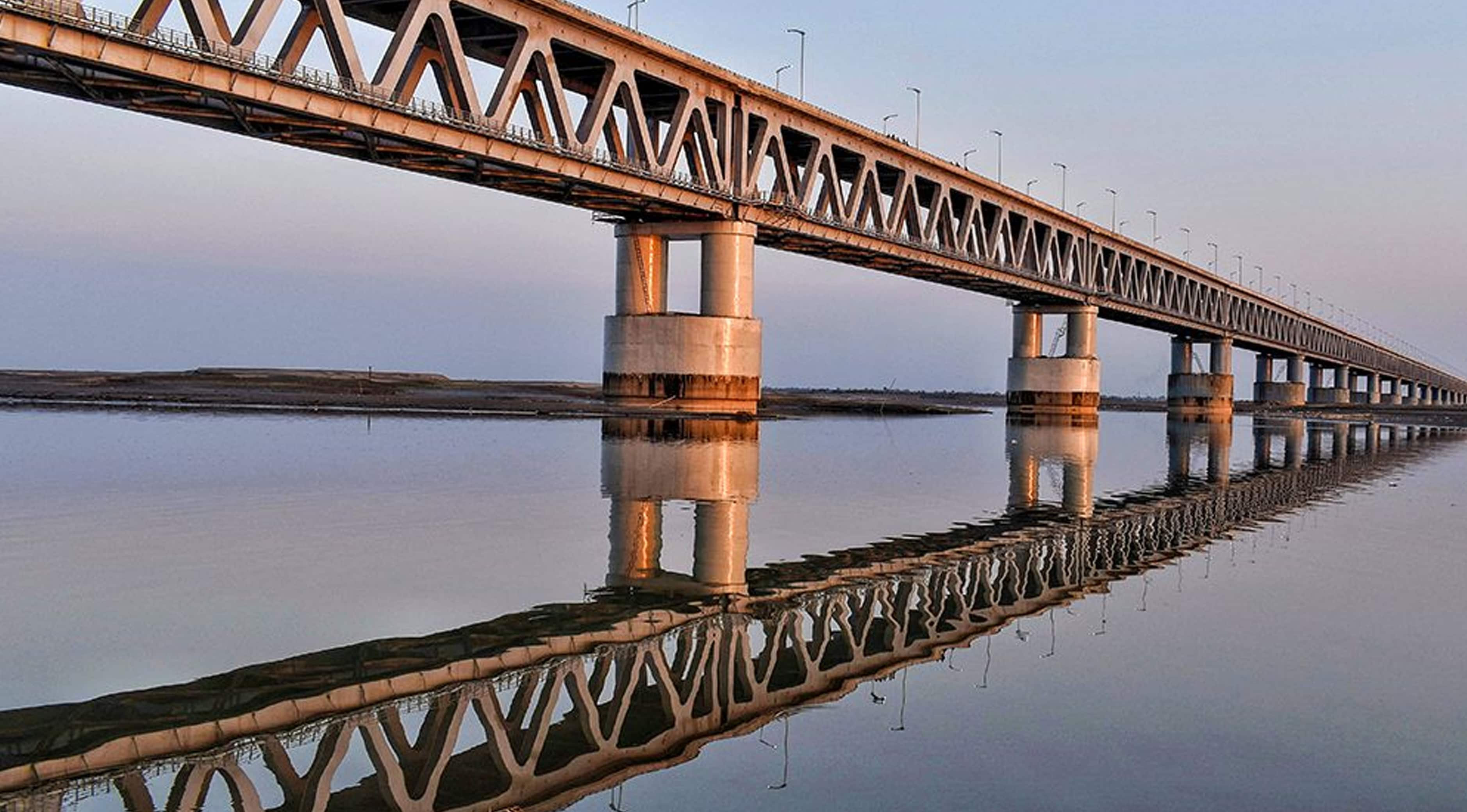
12 Years of Holistic Development in Northeast India
Northeast India has emerged as a key pillar of the Viksit Bharat vision and has shed its past image as a troubled periphery. Over the last 12 years, under the leadership of Prime Minister Narendra Modi, the region has undergone a massive transformation, shifting from an insurgency-prone, conflict-ridden, and underdeveloped region to a zone of holistic development and seamless connectivity. This shift is the result of a focused policy and inclusive governance.
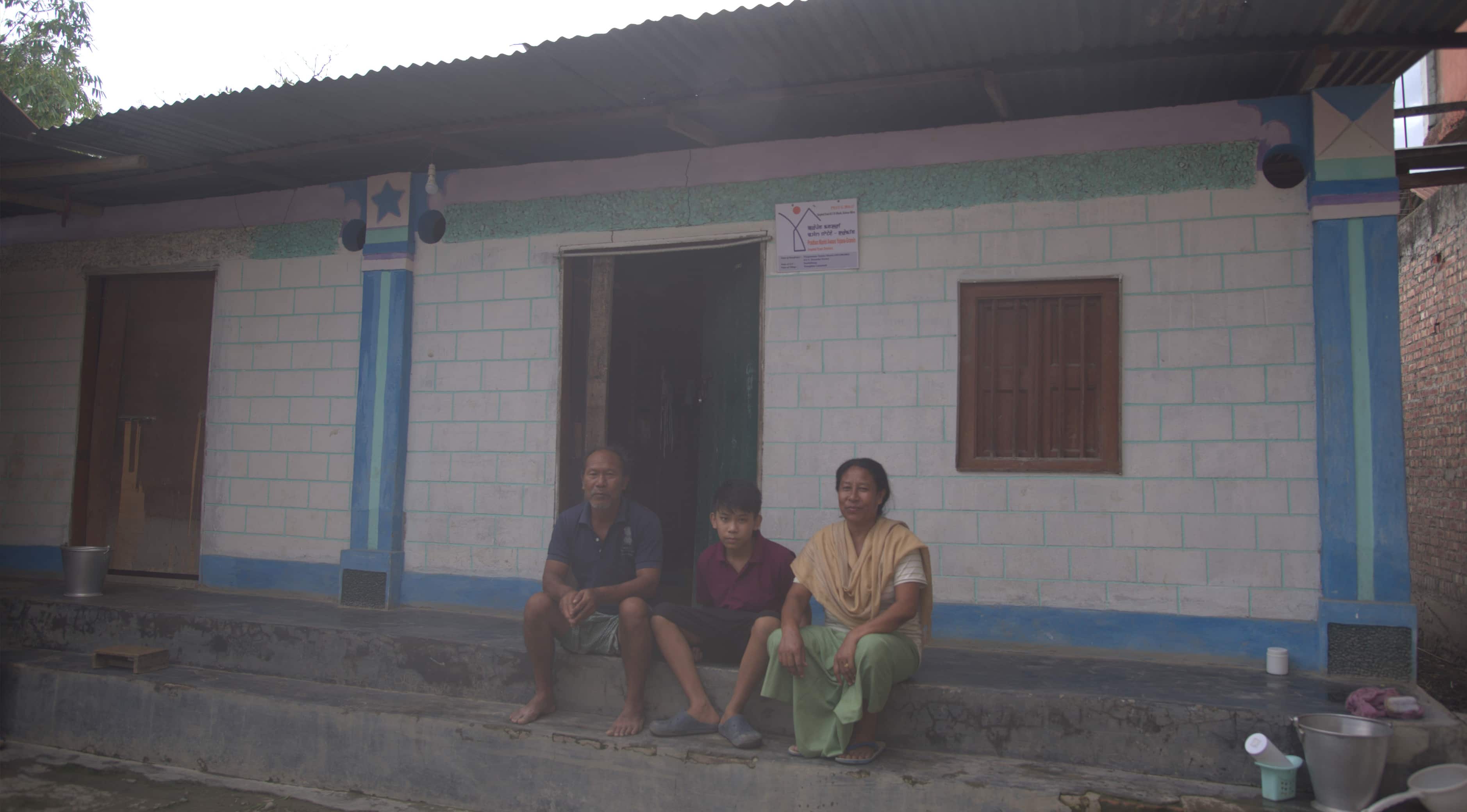
A Decade of Strengthening Social Infrastructure for a Dignified Northeast India
Development loses its true meaning if it fails to reach the last mile. Progress remains incomplete if it does not touch every citizen equally. And for many decades, this was the reality of Northeast India. It remained on the periphery of India’s growth story, rich in culture and growth potential, yet distant from the benefits of development. However, a wind of change has been noticed since 2014. Once viewed through the lens of remoteness and historical neglect, the region is now emerging as a region of inclusive growth. This transformation is powered by the dedicated and targeted efforts of the Prime Minister Narendra Modi-led government, which made it possible to reach the benefits of development to the last mile.
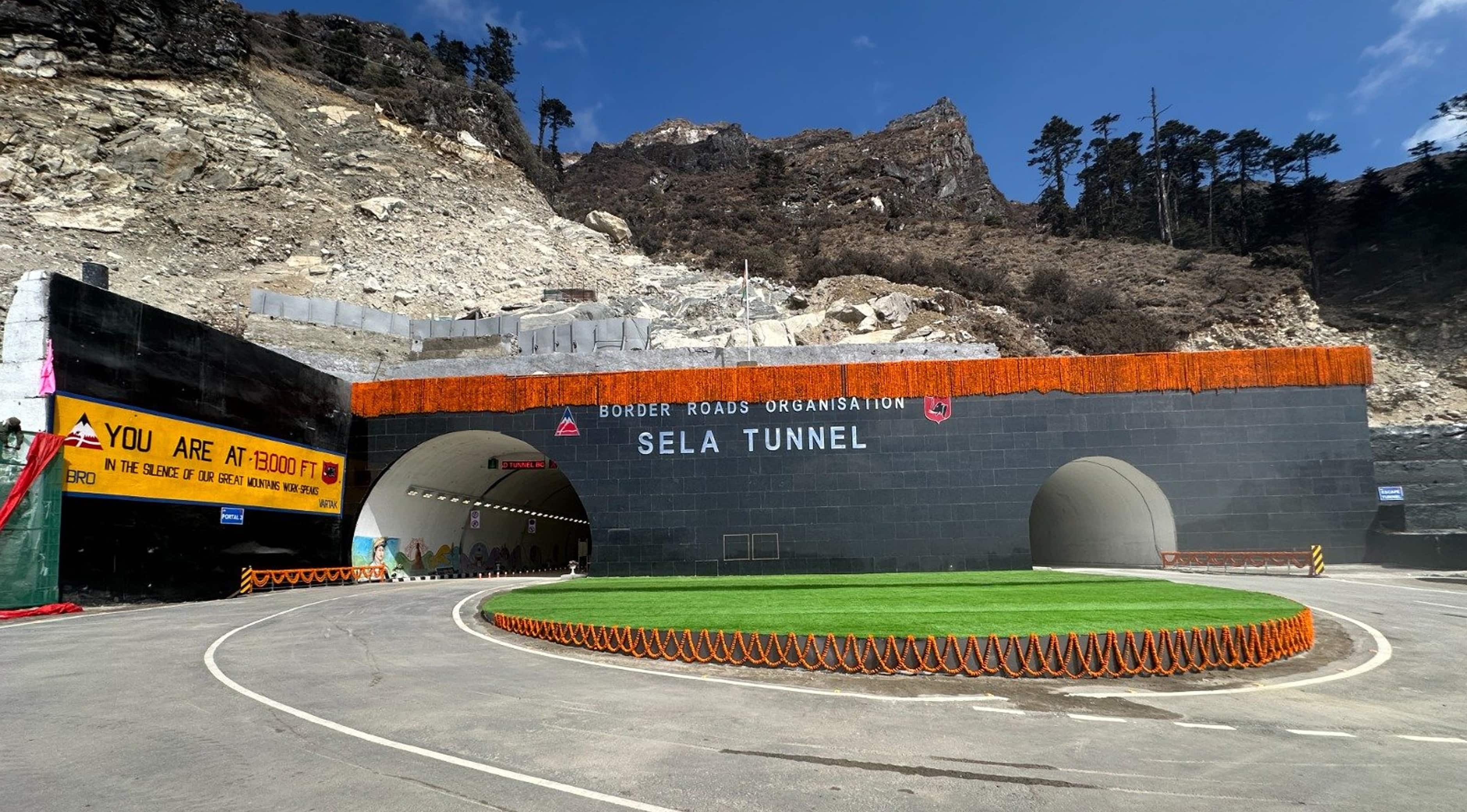
Northeast India’s Journey From Periphery to Strategic Frontier
Northeast India, comprising eight states and sharing international borders with China, Myanmar, Bangladesh, and Bhutan, holds immense strategic importance for India's security and economic ambitions. For decades, the region's challenging terrain, limited connectivity, and developmental gaps kept it isolated from the mainstream and often relegated to the periphery in policy preferences and governance.
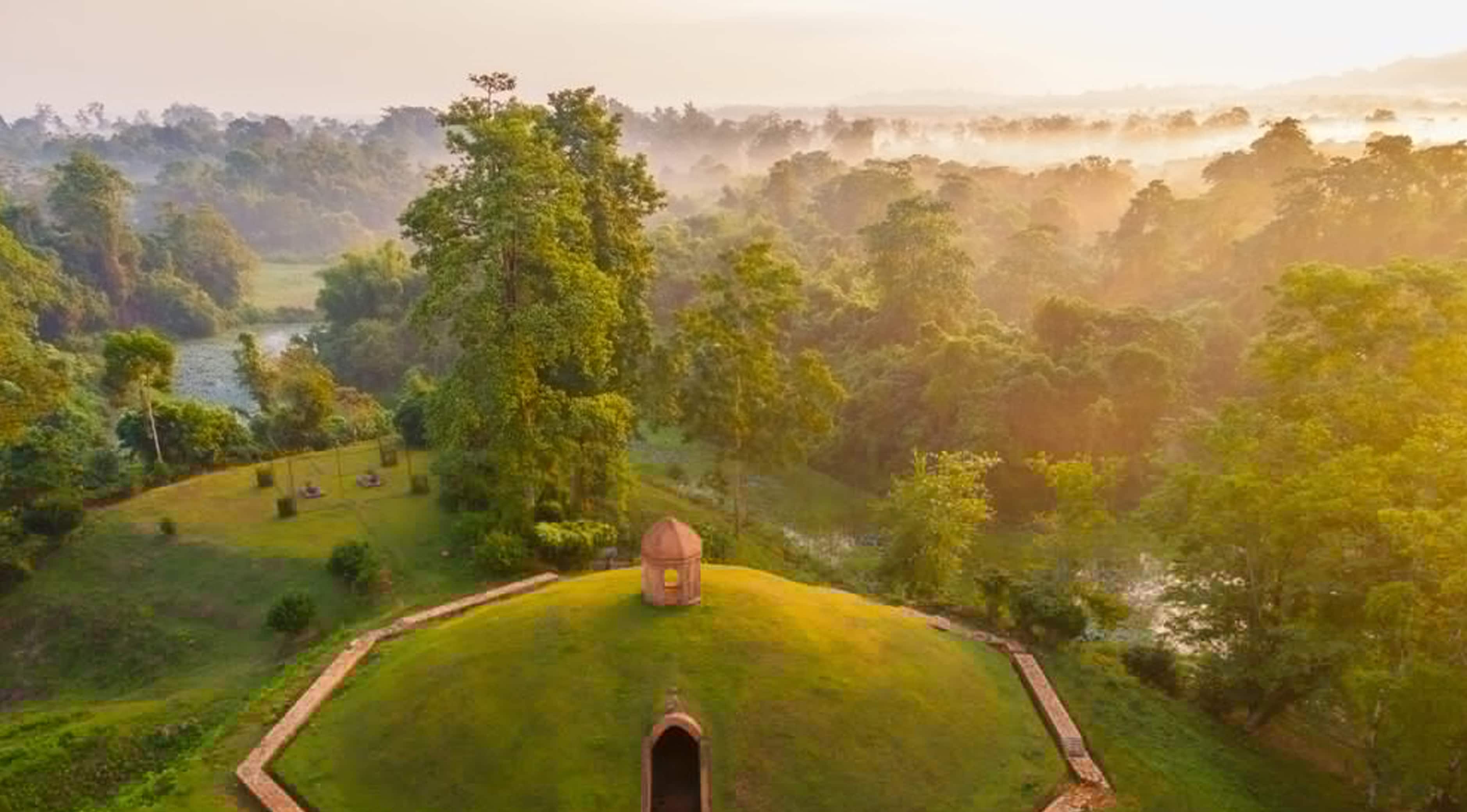
From Hidden Gem to Global Favourite: Northeast India’s Emergence as Premier Tourist Hub
While scrolling social media platforms today, one frequently encounters mesmerising images of unexplored, picturesque destinations in Northeast India. Yet, these visuals also raise an important question: why have such places, blessed with immense natural beauty and cultural richness, remained out of reach for most travellers for decades?