

Conserving
Cultural Heritage
Conserving
Cultural Heritage
India is reclaiming its cultural heritage through artefact repatriation, digitization of manuscripts, preservation of heritage sites, and promotion of languages and traditional knowledge.
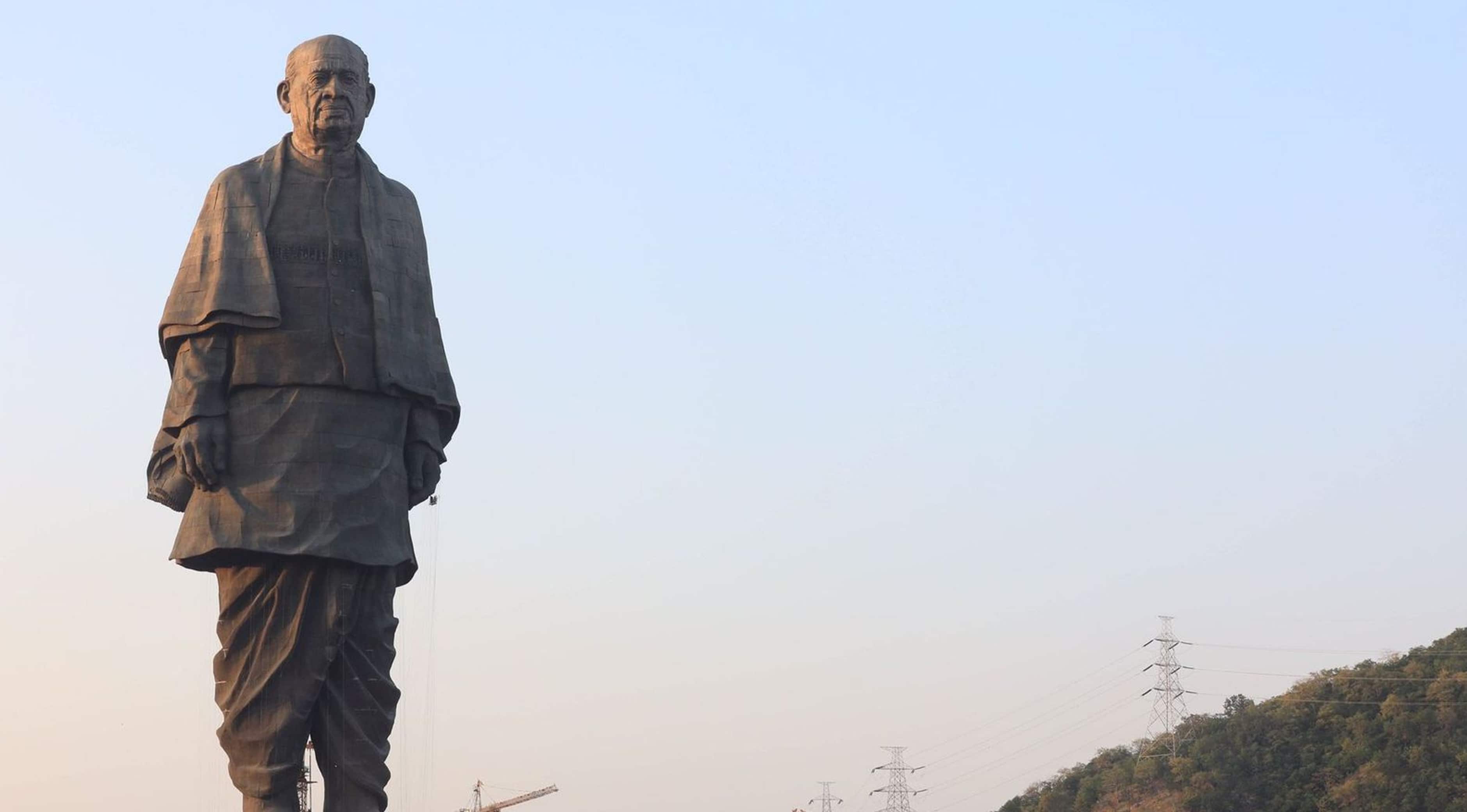
Statues That Speak: From Colonial Symbols to Civilisational Icons
Public memory is written as much in stone and bronze as in books. For decades after Independence, many of India’s most visible spaces still carried colonial names, vacant pedestals or neutral symbols, as if the Republic hesitated to foreground its own civilisational inheritance.
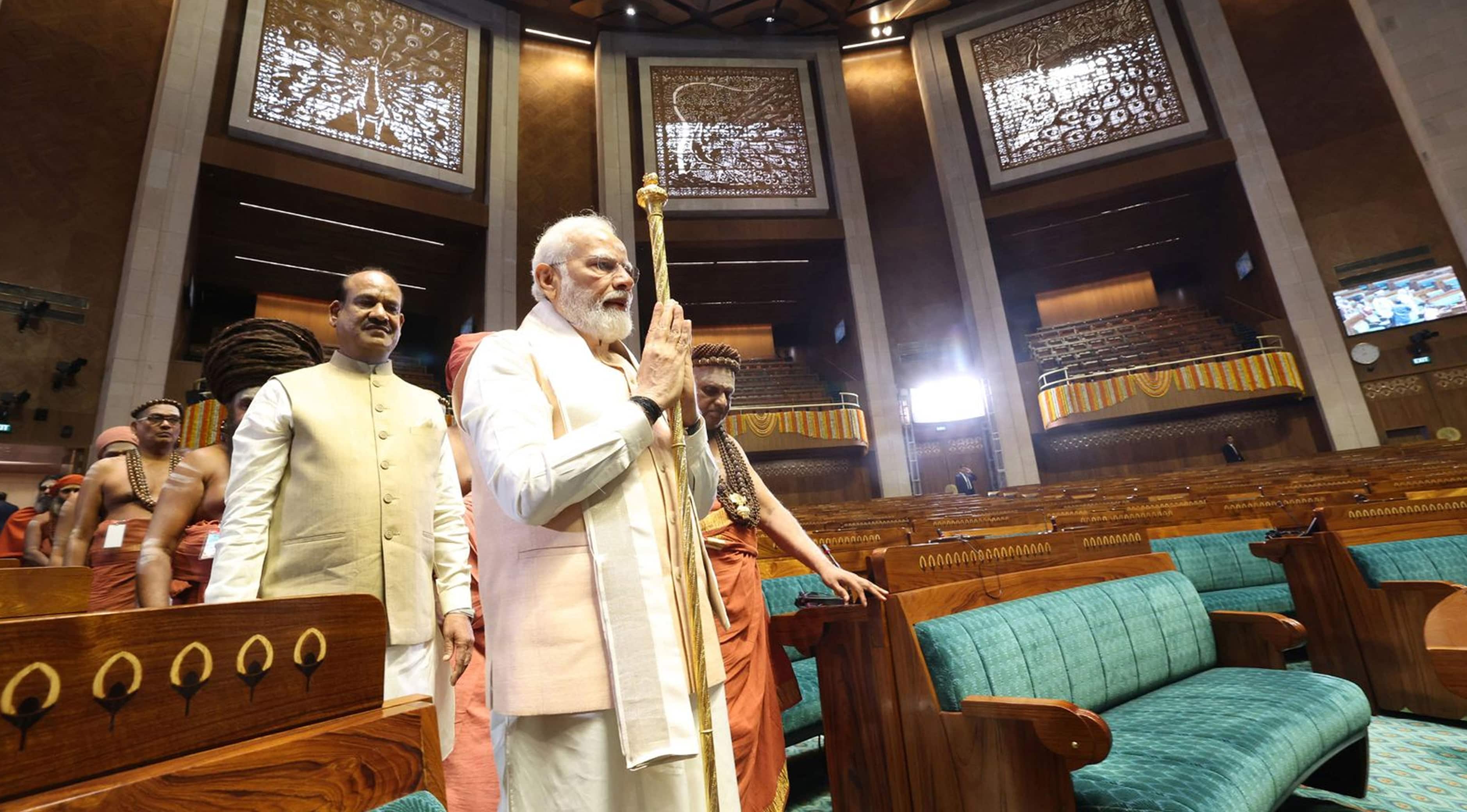
Reclaiming Bharat’s Civilisational Consciousness
Prime Minister Narendra Modi inherited in 2014 a civilisation that had been politically free for seven decades yet remained mentally shackled by psychological colonialism.
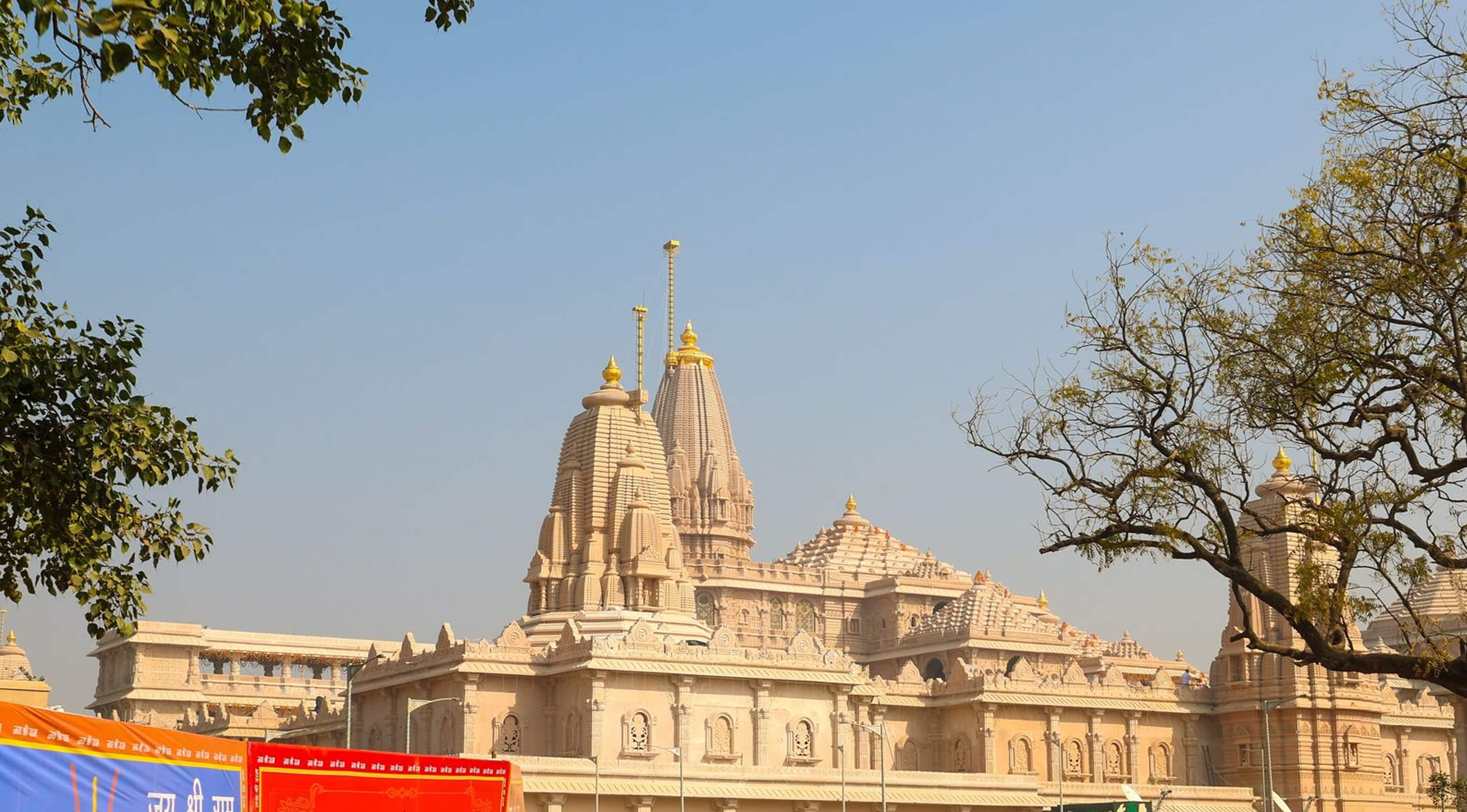
Rewiring spritual centres: The Return of a Civilisational Engine
For much of independent India’s history, religious infrastructure was treated as a cultural obligation at best and a political liability at worst.
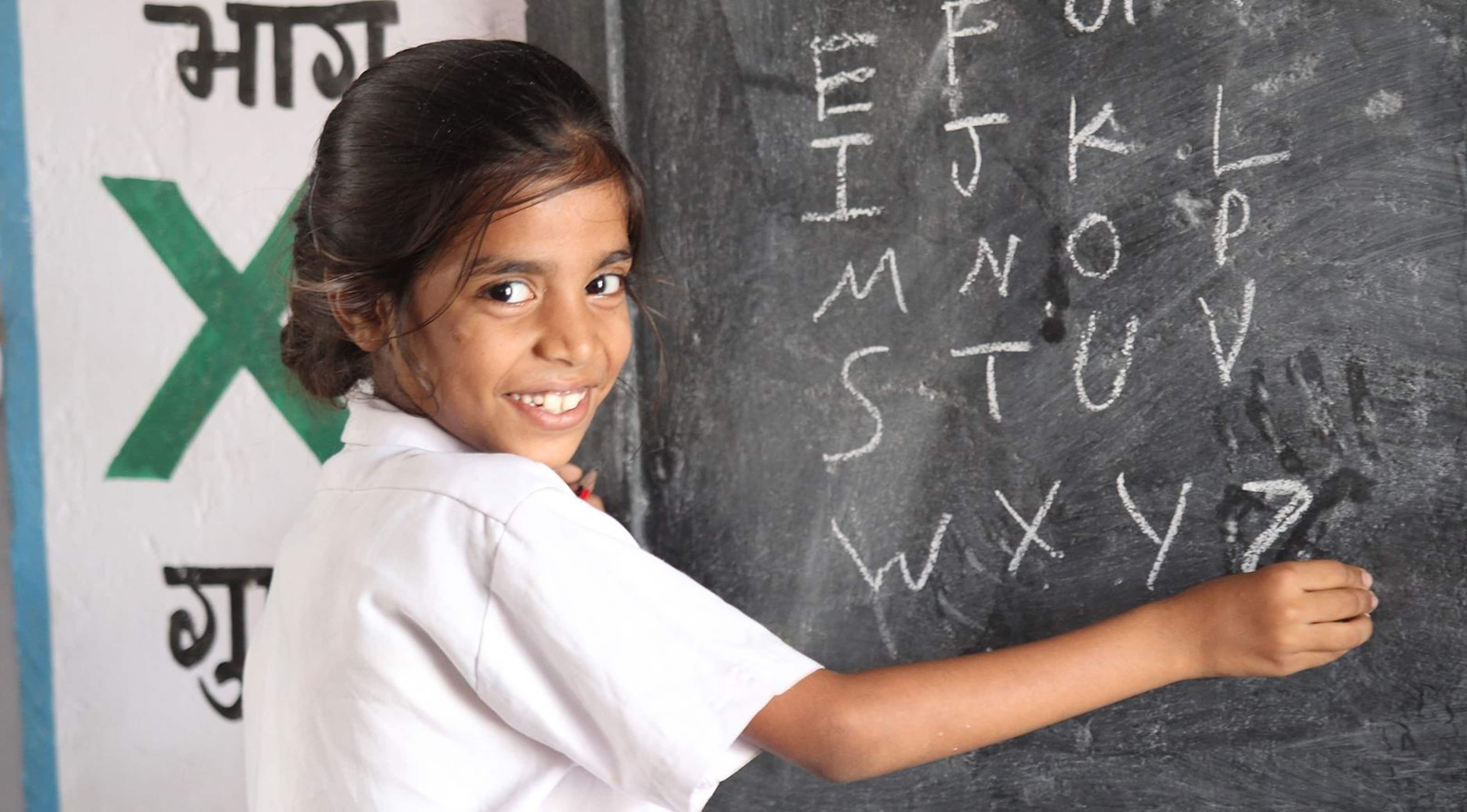
The Soul of a Civilisation: Language as Bharat’s Living Heritage
India has never had just one language. It speaks in 780 voices. For much of independent India’s history, this plurality was treated as a governance problem, like a fault line between Hindi- and non-Hindi-speaking states, between regional-language speakers, and between the north and the south. The political energy spent on navigating this divide was rarely invested in honouring what lay beneath it.